Making trading a respected profession: Nick Cipher's perspective on transparency, ethics, and accountability
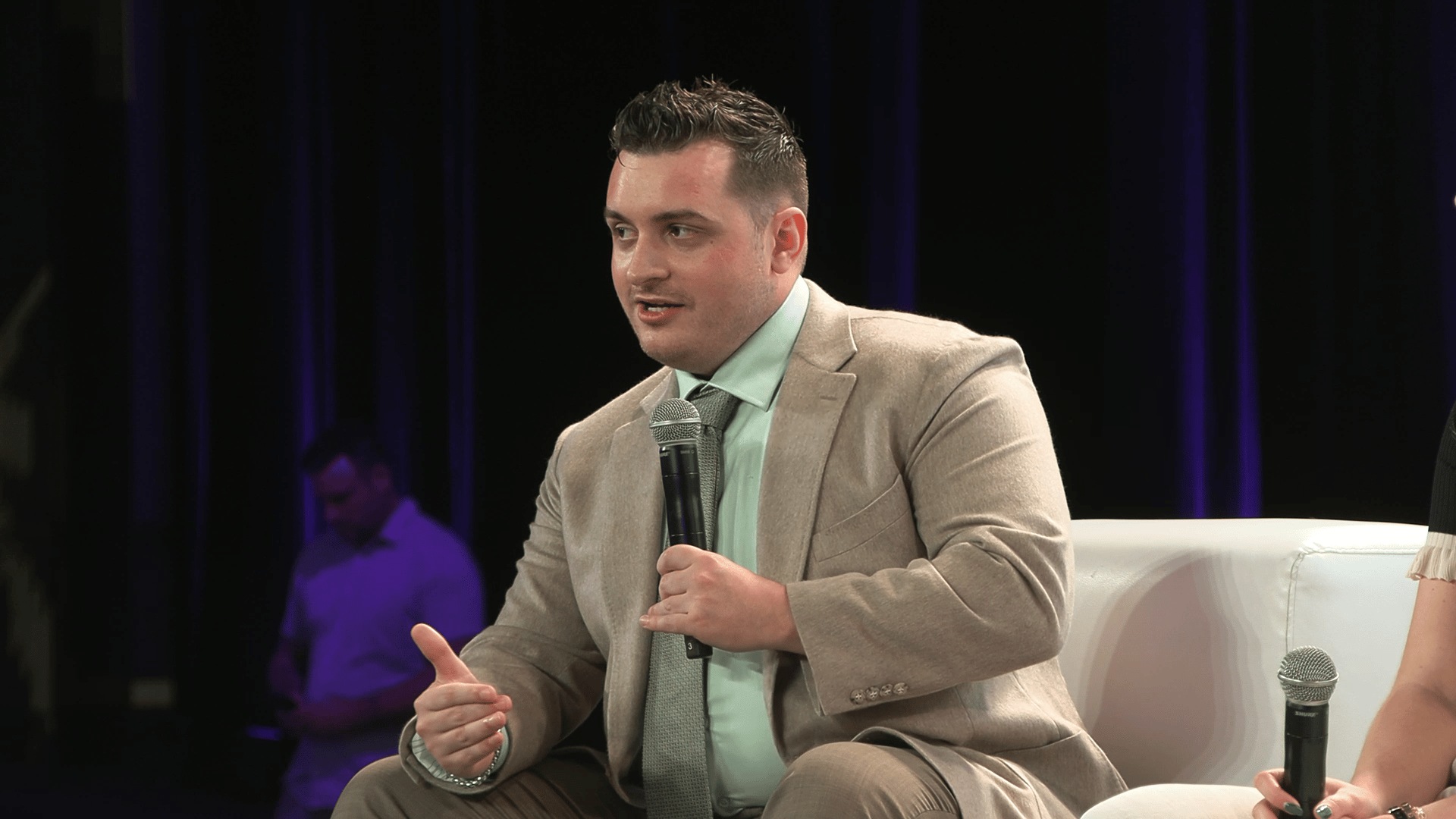

For many people, trading is associated less with professional skill and more with speculation, gambling, or internet-driven promises of fast wealth. Social media has amplified this perception through images of luxury lifestyles, exaggerated success stories, and marketing tactics that often prioritize attention over accuracy.
The result is a credibility gap. The trading industry's reputation has been shaped not only by market volatility but also by individuals who promote unrealistic profit expectations, conceal losses, or target inexperienced participants with promises that cannot be consistently delivered. When traders engage in these practices, the consequences extend beyond individual losses; public trust in the profession itself erodes.
The challenge is compounded by a growing wave of inexperienced participants entering financial markets. A 2025 FINRA Foundation study found that investors under the age of 35 are significantly more likely to engage in higher-risk activities, with 43% trading options and 22% using margin, compared with just 10% and 4%, respectively, among investors aged 55 and older. As more newcomers gain access to complex financial products early in their investing journey, the need for realistic education, risk awareness, and responsible guidance grows.
Another issue receives far less attention: mental health. Severe market losses and liquidation events can have devastating emotional consequences, yet discussions around psychological resilience, emotional support, and risk management often remain secondary to conversations about profits.
For some industry participants, repairing this image has become a central mission. Rather than focusing solely on performance, a growing number of trading educators argue that long-term credibility depends on transparency, responsible communication, and realistic expectations. Among those advocating this approach is Nick Cipher, co-creator of Market Cipher and trading coach, who has said that restoring professionalism within trading is more important than contributing to the culture of hype that dominates much of the online space.
The Three Pillars of Professional Trading: Transparency, Ethics, and Service
A recurring challenge in establishing professional trader credibility is the absence of accountability. Many market participants showcase outcomes without providing evidence, making it difficult for others to distinguish between genuine expertise and effective marketing.
While there is no single solution to rebuilding trust in trading, one approach emphasizes three principles: transparency, ethics, and service. Supporters argue that these values help distinguish professional practice from the promotional tactics that have contributed to the industry's credibility challenges.
Transparency means allowing performance to be verified rather than relying on selectively chosen screenshots or isolated winning trades. It also involves discussing setbacks openly. A trader who acknowledges periods of struggle, including emotional challenges and difficult market conditions, provides a more realistic picture of what the profession entails.
The second pillar, ethics, focuses on rejecting exploitative behavior. Responsible ethical trading practices require honest communication about risk, realistic expectations regarding returns, and a commitment to educating rather than persuading. The goal is not to convince people that trading is easy but to help them understand its complexity.
The third pillar is service. In this framework, success is measured not only by financial performance but also by contributions to others. That may include mentoring, consultations, community support, or helping individuals navigate difficult periods in their trading journeys.
Although these principles alone cannot resolve every issue affecting the trading industry, they offer one framework for encouraging greater accountability and professionalism. By shifting attention away from status signaling and toward responsible conduct, they may help strengthen long-term public confidence in trading as a profession.
Industry Validation Before Teaching: The Credentials That Matter

One ongoing debate within trading as a career concerns who should be teaching others.
Many industries expect professionals to demonstrate competence before becoming educators. Surgeons perform operations before teaching surgery. Entrepreneurs build companies before advising founders. Trading arguably requires the same standard.
That expectation is reinforced by broader financial literacy trends. A 2025 QuickBooks survey found that 42% of small business owners reported having limited or no financial literacy before starting their businesses, while 28% lacked confidence in their financial knowledge. Although entrepreneurship and trading are distinct disciplines, both require people to make high-stakes financial decisions under uncertainty. These findings underscore why educational credibility matters: many people seek guidance before developing a strong financial foundation, making proven expertise more valuable than persuasive marketing.
Many experienced market participants argue that educational credibility should follow demonstrated experience rather than precede it. Traders who have built tools, navigated multiple market cycles, or produced verifiable long-term results often bring a different perspective than those whose primary expertise lies in content creation or marketing.
This progression matters because it demonstrates execution before instruction.
The broader principle is that explaining a process is different from consistently applying it. Emphasizing demonstrated experience alongside communication skills may help reduce the influence of personalities whose visibility exceeds their practical expertise.
Addressing What Industry Ignores
Financial losses are measurable. Emotional damage is not.
Recent years have highlighted how severe liquidation events can contribute to intense psychological distress. Yet mental health remains one of the least discussed topics within ethical trading practices and trading education.
The challenge is that trading often combines uncertainty, isolation, financial pressure, and personal identity. When losses occur, many traders interpret them not merely as financial setbacks but as reflections of personal failure.
Mental health is an area where many observers believe the trading industry has more work to do. While discussions often focus on performance metrics and technical strategies, far less attention is given to the emotional consequences of repeated losses, prolonged uncertainty, or isolation.
Having experienced depression and isolation during difficult periods, Cipher has spoken openly about these challenges. He has also described spending significant time supporting traders facing both emotional and financial hardship, including many conversations offered without charge.
A key lesson emerging from this approach is that risk management extends beyond protecting capital. Confidence, emotional stability, and psychological resilience also require protection.
The idea that both capital and confidence must be preserved offers a broader understanding of trader development. Without emotional stability, even technically sound strategies become difficult to execute consistently.
Reputation Repair to Industry Leadership: The Path Forward
Improving the trading industry's reputation is unlikely to come from regulation alone. Cultural change often begins with individual behavior.
When traders prioritize transparency, refuse to make unrealistic promises, and place people ahead of short-term commercial incentives, they create standards that others can follow. Communities built around these principles can gradually elevate expectations across the industry.
This shift may also influence how society views trading as a career. Parents, educators, and employers are more likely to respect professions that demonstrate accountability, ethical conduct, and service to others. The stronger those foundations become, the easier it is to distinguish professional trading from speculative entertainment.
Long-term credibility is rarely built through attention. It is built through consistent behavior.
Trading Psychology Matters More Than Most People Think
Markets test more than analytical skills. They test patience, identity, discipline, and emotional control.
Many trading mistakes originate not from poor strategies but from psychological reactions: chasing losses, overconfidence after wins, fear-driven exits, or the inability to accept uncertainty. Understanding these behavioral patterns is often more valuable than finding a new indicator or trading system.
For aspiring professionals, the lesson is straightforward. Focus on process before profits. Protect confidence as carefully as capital. Seek mentors whose actions are transparent and verifiable. And remember that sustainable success depends as much on character and decision-making as it does on technical knowledge.
Whether trading ultimately earns broader professional respect will likely depend on more than market performance alone. Long-term credibility is built through consistent behavior, ethical decision-making, and a willingness to place education and accountability ahead of personal promotion. Those qualities, not winning streaks, may ultimately determine how the profession is viewed in the years ahead.