WTI Oil retreats toward $85 ahead of US economic offensive against Iran
- WTI Oil falls 1.5% on Monday and returns to $85 after reaching one-month highs last week.
- Markets await details of new US sanctions aimed at intensifying economic pressure on Iran.
- Tehran’s threats over Gulf exports keep supply risks in focus despite profit-taking.


West Texas Intermediate (WTI) US Oil falls 1.55% on Monday and trades around $85.00 at the time of writing, giving back some of its recent gains as investors take profits ahead of the announcement of new US sanctions against Iran.
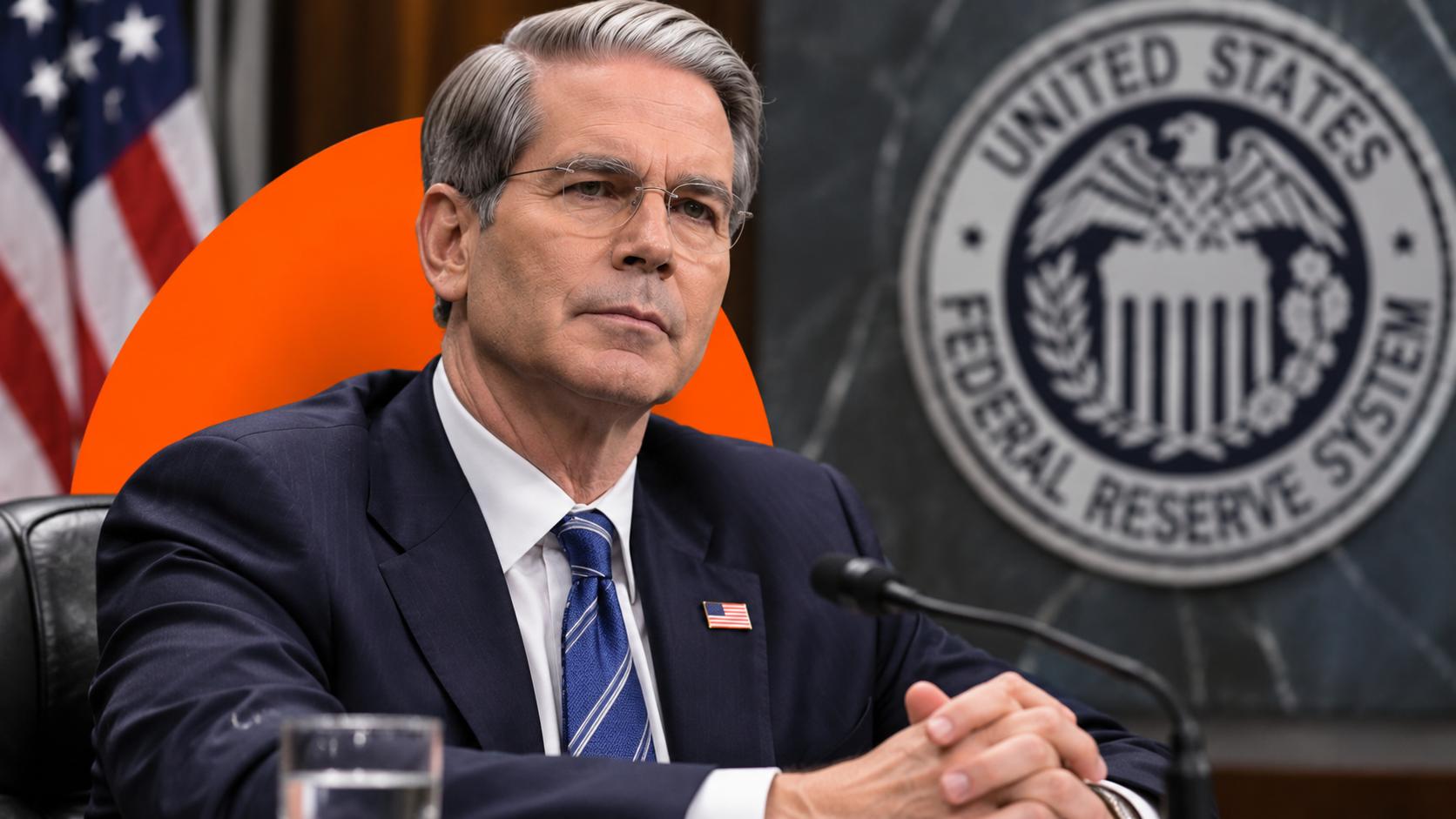
WTI remains supported, however, by concerns about global supply. United States (US) Treasury Secretary Scott Bessent is due to unveil a new package of measures on Monday aimed at significantly increasing economic pressure on Tehran. Bessent describes the campaign as an unprecedented economic offensive designed to isolate Iran and force its trading partners to reduce their ties with the country.
The new measures could notably target Iranian Oil exports and trading partners that continue to do business with Tehran. This prospect keeps concerns alive about a further reduction in Iranian supply to the global market at a time when the country’s crude flows are already disrupted.
Iran, however, is taking a firm stance against US threats. Iranian authorities say that China, Turkey and other partners are unlikely to sever ties with the country and threaten to halt Oil exports from the Gulf in the event of further escalation. Tehran also warns that cooperation with Washington could be considered an “act of war,” increasing geopolitical risks across the region.
Tensions surrounding the Strait of Hormuz, therefore, remain a significant source of uncertainty for the Oil market. Disruptions to maritime traffic through this strategic corridor, which handles a significant share of global Oil supply, are fueling the risk of a supply shock and limiting the extent of WTI Oil’s decline for now.
Monday’s decline therefore appears to mainly reflect profit-taking following gains over the previous days rather than a significant improvement in the supply outlook. Investors now await the details and actual scope of the US sanctions to assess their potential impact on Iranian exports and, consequently, on the balance of the global Oil market.
Markets eye China response as US prepares economic D-Day against Iran
Strategists at BBH highlight that Treasury Secretary Scott Bessent is set to unveil an “economic D-Day” against Iran later today, scheduled for 7:00pm London (2:00pm New York). According to BBH, Bessent has described the initiative as the “single greatest financial offensive ever marshalled against an adversary,” aimed not only at Iran itself but also at “the foreign networks that buy and transport its oil.” BBH stresses that “China is the critical pressure point,” noting that it is Iran’s largest trading partner and purchases “roughly 90% of its oil exports,” making Beijing’s reaction “key to the direction of risk sentiment.”
MUFG observes that Iran has threatened that “not a single drop of oil” will pass through the Strait of Hormuz if the US proceeds with the plan, yet points out that “the oil market does not seem to believe Iran,” with Brent crude down about 1.4% on the day. MUFG cautions that “if China was to be hit hard possibly via its refiners or banks that would signal an escalation that would likely prompt a response from China.” In their view, “if the action is seen as credible and severe we would certainly see crude oil bouncing back and the Dollar would initially at least strengthen,” and “if crude oil prices have also risen due to a severe D-Day plan, we may see the 30-year yield break above the 5.34% high set last week.”
WTI Oil FAQs
WTI Oil is a type of Crude Oil sold on international markets. The WTI stands for West Texas Intermediate, one of three major types including Brent and Dubai Crude. WTI is also referred to as “light” and “sweet” because of its relatively low gravity and sulfur content respectively. It is considered a high quality Oil that is easily refined. It is sourced in the United States and distributed via the Cushing hub, which is considered “The Pipeline Crossroads of the World”. It is a benchmark for the Oil market and WTI price is frequently quoted in the media.
Like all assets, supply and demand are the key drivers of WTI Oil price. As such, global growth can be a driver of increased demand and vice versa for weak global growth. Political instability, wars, and sanctions can disrupt supply and impact prices. The decisions of OPEC, a group of major Oil-producing countries, is another key driver of price. The value of the US Dollar influences the price of WTI Crude Oil, since Oil is predominantly traded in US Dollars, thus a weaker US Dollar can make Oil more affordable and vice versa.
The weekly Oil inventory reports published by the American Petroleum Institute (API) and the Energy Information Agency (EIA) impact the price of WTI Oil. Changes in inventories reflect fluctuating supply and demand. If the data shows a drop in inventories it can indicate increased demand, pushing up Oil price. Higher inventories can reflect increased supply, pushing down prices. API’s report is published every Tuesday and EIA’s the day after. Their results are usually similar, falling within 1% of each other 75% of the time. The EIA data is considered more reliable, since it is a government agency.
OPEC (Organization of the Petroleum Exporting Countries) is a group of 12 Oil-producing nations who collectively decide production quotas for member countries at twice-yearly meetings. Their decisions often impact WTI Oil prices. When OPEC decides to lower quotas, it can tighten supply, pushing up Oil prices. When OPEC increases production, it has the opposite effect. OPEC+ refers to an expanded group that includes ten extra non-OPEC members, the most notable of which is Russia.
Author
Ghiles Guezout
FXStreet
Ghiles Guezout is a Market Analyst with a strong background in stock market investments, trading, and cryptocurrencies. He combines fundamental and technical analysis skills to identify market opportunities.