|

US Dollar: Policy-driven yield retreat – UBS
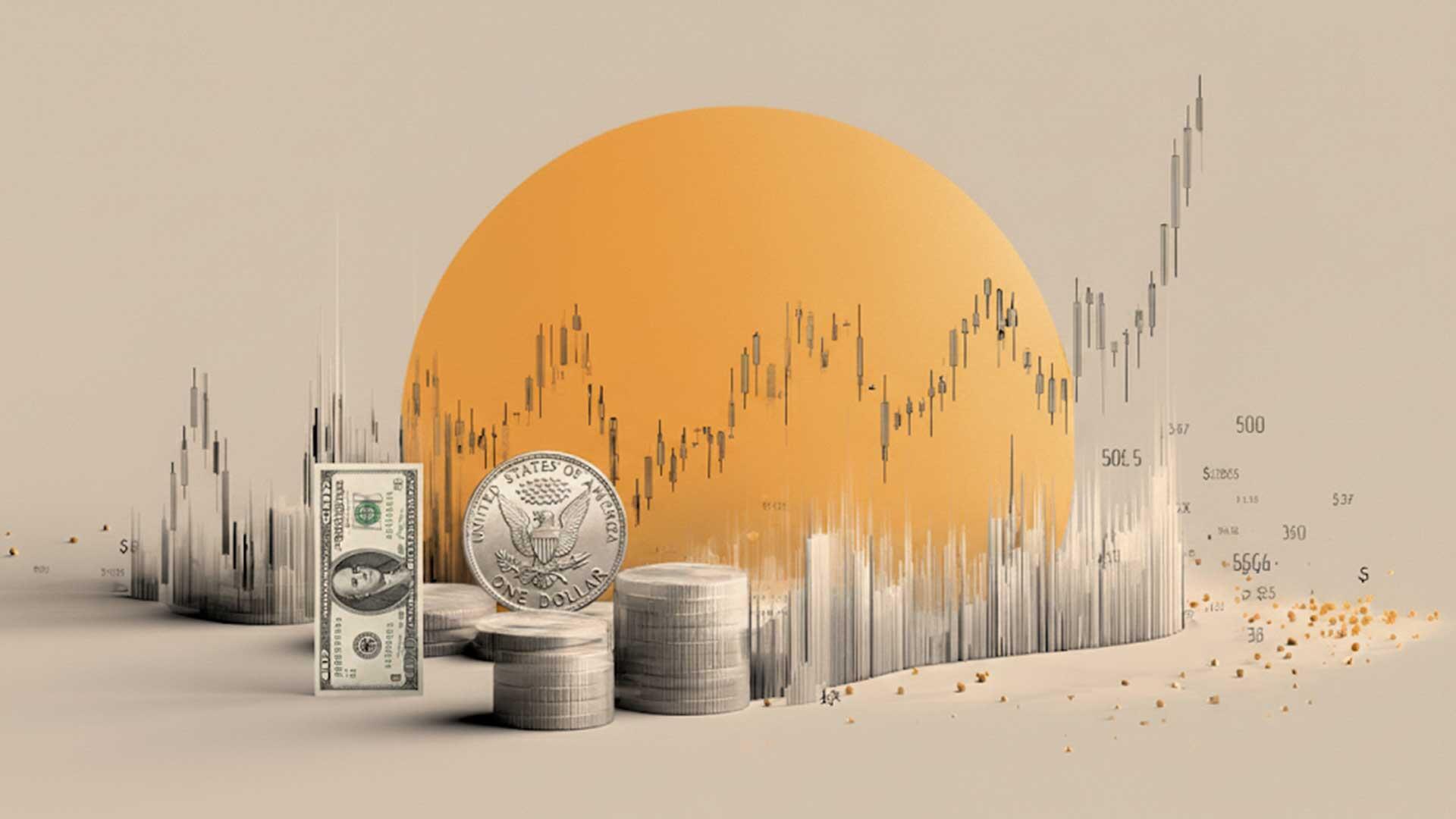
UBS' chief economist Paul Donovan notes that the United States (US) Treasury’s plan to at least double purchases of long-term US government bonds triggered a rally, pushing 10-year yields down to levels seen a week ago. Donovan argues higher yields worsen the US affordability crisis and debt service costs, and says this new policy aims to offset unintended bond market effects from the Gulf war and tariffs.

Treasury buying shifts yield dynamics

"The announcement that the US Treasury would “at least double” purchases of long-term US government bonds sparked a rally; 10-year yields fell to levels not seen for a whole week."

"Higher yields impact the US affordability crisis and debt service costs, making them a political focus. This policy is to counter the (presumably unintended) consequences for bond markets of other policies like the Gulf war and tariffs."

"The narrative around the bond market may be biased by commentators’ aversion to other administration policies (using bond market reactions to argue against war or tariffs)."

"US government debt as share of GDP is below record levels, and debt as a share of private wealth, an important metric for debt financing, is low."

"Federal Reserve policy uncertainty may add a financial market risk premium. The last Fed meeting’s minutes showed Fed Chair Warsh proposing fewer policy meetings—an unusual idea at a time of increased structural change."

"Most Fed members wanted unchanged rates, but with concerns about inflation persistence. Changes to the calculation of US inflation will help to lower it."

"US initial jobless claims may get a flicker of investor interest today."

(This article was created with the help of an Artificial Intelligence tool and reviewed by an editor. Know more.)

Author

FXStreet Insights Team

The FXStreet Insights Team is a group of journalists that handpicks selected market observations published by renowned experts. The content includes notes by commercial as well as additional insights by internal and external analysts.


More from FXStreet Insights Team
Share:

Editor's Picks

AUD/USD bounces back toward 0.6950 on fresh USD supply

AUD/USD bounces back toward 0.6950 in the Asian session on Friday. The US Dollar retreats from 17-month highs as traders take profits off the table ahead of the all-important US Nonfarm Payrolls report. Meanwhile, the Australian Dollar draws support from reviving expectations of a November interest rate hike amid elevated global yields and inflation risks.


USD/JPY struggles near 158.00 as USD retreats ahead of NFP

USD/JPY is struggling for fresh impetus near 158.00, moving away from the top end of its weekly range in the Asian session on Friday, after hotter-than-expected Tokyo CPI and amid a broad US Dollar retreat. Traders reposition themselves ahead of US Nonfarm Payrolls.

Gold fades the earlier optimism; back below $4,200

Gold could not sustain the post-NFP bull run past the $4,200 mark per troy ounce, receding toward the $4,180 region at the end of the week. The precious metal’s inconclusive price action comes amid fresh selling pressure hurting the US Dollar as investors assess the latest NFP data.

Week ahead: Fed minutes in the spotlight amid bond market rout
The first full week of October and the final quarter of the year get underway with little fanfare in terms of the economic agenda. But far from being short on excitement, the coming week will test market nerves, as government bond yields continue to soar on growing worries that the energy crisis will only get worse, fuelling inflation.
CFTC Report: Speculators turn more defensive as Oil exposure falls
The week in one sentence: During the week leading up to September 29, long positions in crude oil were significantly reduced, while short positions in the Canadian Dollar went up. In addition, the positioning of the Australian Dollar and the Japanese Yen declined, while Coffee buying stood out against a more general background of defensiveness.
The Euro is near a one-year low: Inflation could trigger its rebound, not its fall

EUR/USD has fallen to its lowest level since May 2025. The pair hit 1.1312 on Wednesday and trades well below the January peak of 1.2082. The decline reflects a powerful combination of US Dollar strength, geopolitical uncertainty and renewed concerns about Europe's exposure to higher energy prices.















