|

Indian Rupee: Elevated Oil keeps INR lagging against US Dollar – OCBC
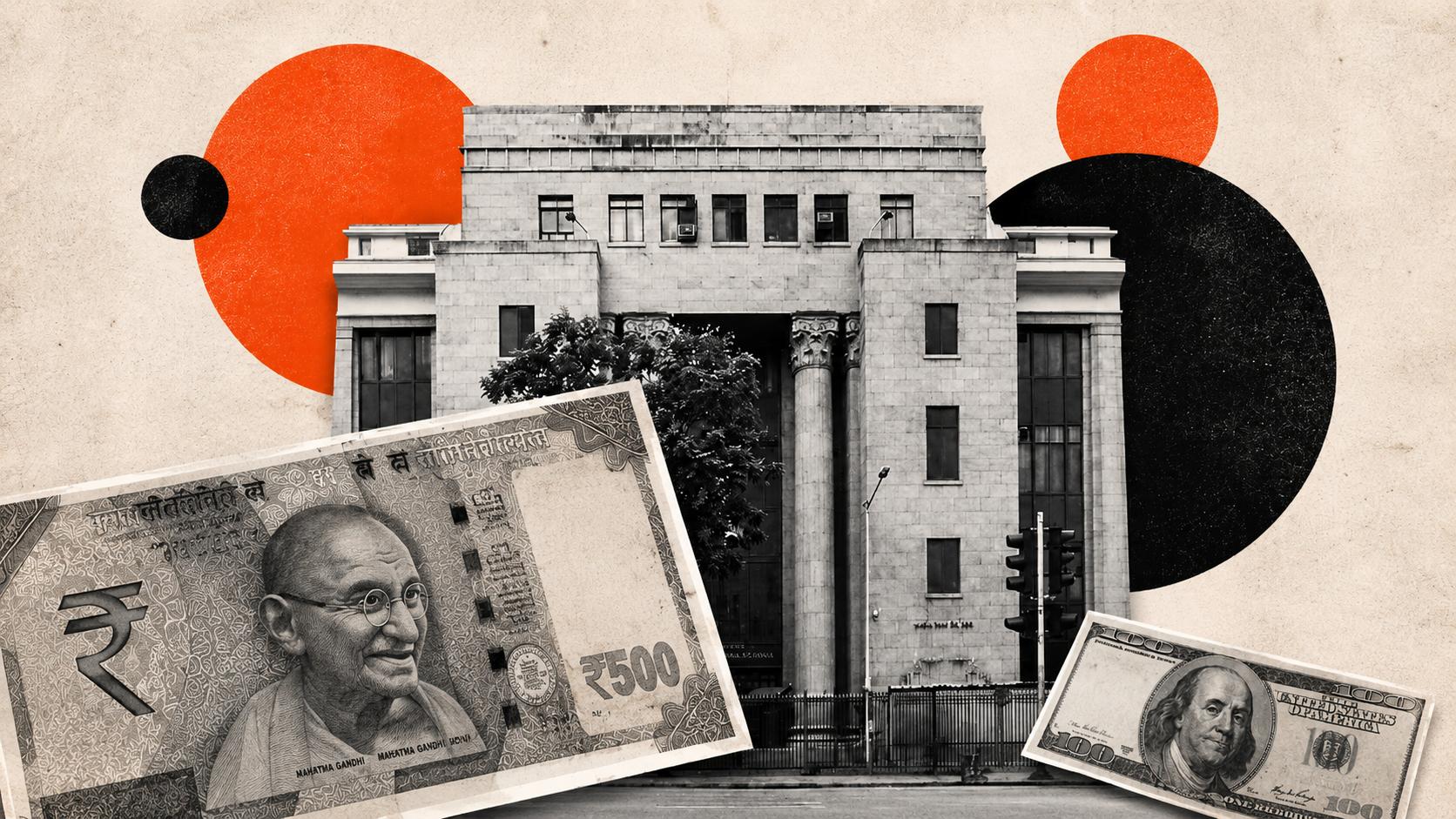
OCBC strategists Sim Moh Siong and Christopher Wong note Indian Rupee (INR) remains under pressure despite broader US Dollar (USD) weakness, as high Oil prices and importer Dollar demand weigh on the currency. RBI-linked USD sales are containing USD/INR, but the pair’s risks are skewed to the upside, with resistance at 95.90–96. The early closure of the FCNR(B) swap window removes a source of incremental FX inflows.

Rupee struggles despite weaker Dollar

"INR remained under pressure despite the broader USD decline, with elevated oil prices and importer dollar demand continuing to weigh. RBI-linked USD sales appear to have helped contain losses and keep USD/INR from extending higher."

"The overnight USD sell-off and lower US Treasury yields should offer some relief, but the divergence is telling - INR has so far struggled to benefit fully from the weaker USD backdrop while elevated oil prices remains the key headwind given India’s import dependence."

"As such, INR may continue to lag the broader Asian complex unless crude prices ease more meaningfully."

"The early closure of RBI’s concessional FCNR(B) swap window at end-August also removes one source of incremental FX inflow support earlier than expected, although the sizeable inflows so far and potential last-minute rush before 31 Aug may still add to buffer."

"USD/INR last closed at 95.76. Daily momentum shows signs of turning mild bullish while RSI rose. Risks skewed to the upside. Resistance at 95.90, 96 levels. Support at 95.40 (50 DMA), 95.10 levels."

(This article was created with the help of an Artificial Intelligence tool and reviewed by an editor. Know more.)

Author

FXStreet Insights Team

The FXStreet Insights Team is a group of journalists that handpicks selected market observations published by renowned experts. The content includes notes by commercial as well as additional insights by internal and external analysts.


More from FXStreet Insights Team
Share:

Editor's Picks

GBP/USD keeps range around 1.3600 amid a pause in USD sell-off

GBP/USD holds its retreat from its highest level since May 11, ranging around the 1.3600 mark in the European session on Thursday. US Dollar sellers take a breather as markets assess whether the US Treasury buyback will be a game-changer. Attention now remains on US data and Middle East headlines for further trading impetus.

EUR/USD consolidates below 1.1700 as USD stabilizes

EUR/USD enters a bullish consolidation phase below 1.1700 in European trading on Thursday after touching its highest level since late May. Bulls now await a move beyond the 1.1700 mark before placing fresh bets, as the US Dollar stabilizes following the US Treasury's bond buyback plan-led slump. US Jobless Claims data are next in focus amid lingering Iran risks.

Gold sticks to losses below $4,500 as USD firms on hawkish FOMC minutes and Iran risks

Gold sticks to modest intraday losses through the Asian session and currently trades below the $4,500 mark, though it remains close to the highest level since early June, set earlier this Thursday. Against the backdrop of geopolitical uncertainties, the US Dollar stabilizes after the previous day’s slump to a three-month low amid hawkish FOMC Minutes. This prompts bulls to take some profits off the table and weighs on the bullion, though retreating US bond yields limit further downside.

Top Altcoins Price Forecast: Ripple rallies above $1, Solana eyes $85, Cardano eases gains

Top altcoins, such as Ripple, Solana, and Cardano, are holding steady on Thursday after a bullish rebound as the broader crypto market rebounds on US Treasury bond buybacks. The technical outlook for XRP and SOL suggests further upside, while ADA risks losing the recent gains. Ripple trades around $1.0951 following a 10% surge the previous day.

The bond coup
Yesterday was marked by a coup from the US Treasury, which suddenly announced that it will ‘at least double’ the maximum size of its buyback operations for longer-term debt, hoping to ease pressure on long-term yields and borrowing costs. Phoah! The markets reacted heavily to the news. The US 10-year yield fell sharply, while the 30-year yield dropped from its highest levels since 2007.
$20 billion offered, $2 billion taken: Why Treasury doubled its buyback cap

The US Treasury moved off its own calendar on Wednesday, and that is the part worth sitting with. At 12:32 GMT, the department said it would at least double the size of liquidity support buyback operations in the 10-year to 20-year and 20-year to 30-year sectors, lifting the maximum from $2 billion per operation to at least $4 billion, effective September 9 and running to November 4.















