FX Today: Markets focus on Iran talks as tensions undermine the Dollar

Heightened tensions in the Middle East, which included the closure of the Strait of Hormuz and the US seizing an Iran-flagged vessel, dominate the narrative in the financial markets as traders wait for the second round of talks between Iran and the US. Wall Street ended Monday’s session in the red, while the US Dollar (USD) erased its previous gains, finishing the day with moderate losses, amid a mixed market mood.
Here’s what to watch on Tuesday, April 21:
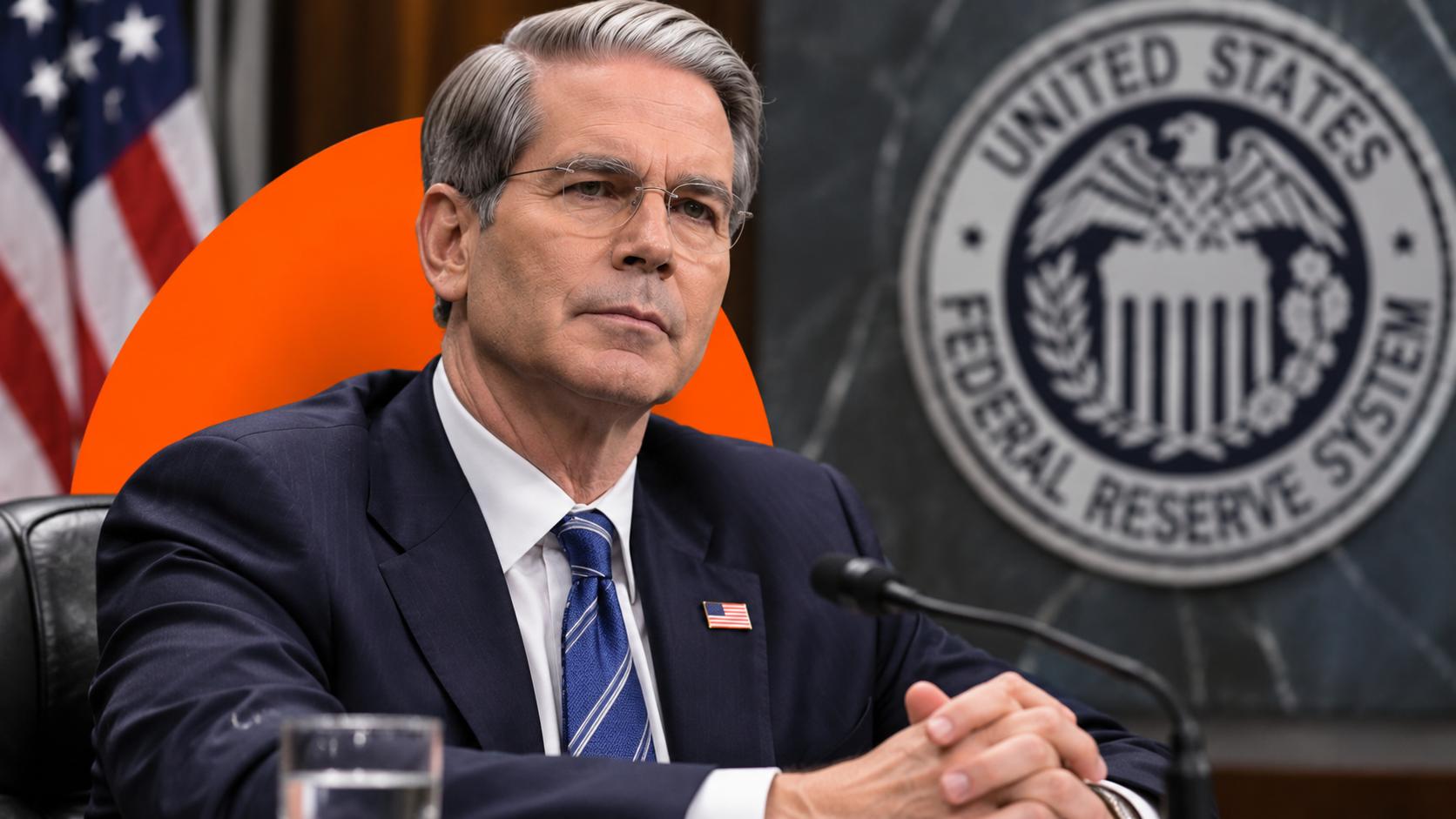
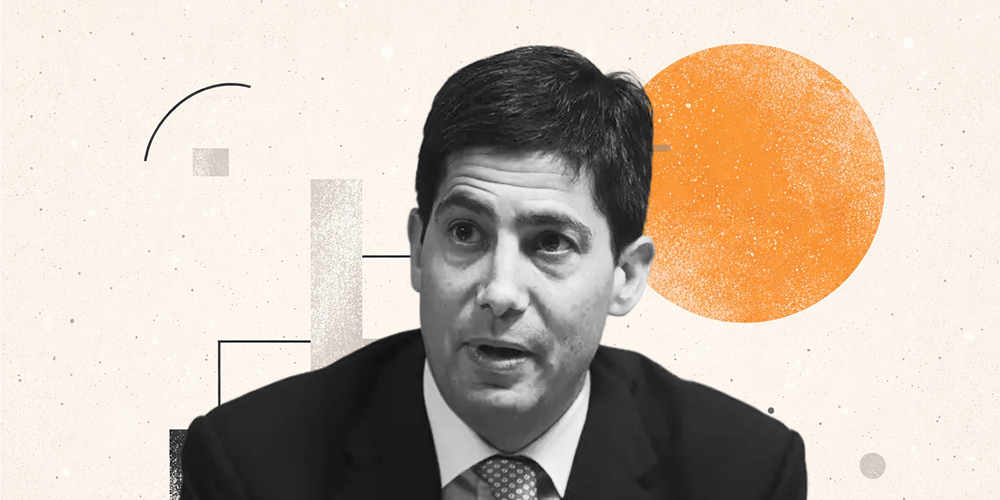
The US Dollar Index (DXY) reached a five-day high of 98.35 before reversing, poised to end near 98.00. A scarce economic docket keeps the Greenback leaning on the dynamics of US President Donald Trump’s social media posts, while a US delegation heads to Pakistan. Besides this, traders await the release of Retail Sales, the ADP Employment Change 4-week average, and the hearing of the nominee for Fed Chair, Kevin Warsh, before the US Senate.
EUR/USD began the week on a lower note, gapping down, but as the trading day progressed, it is poised to end near 1.1800 for a 0.20% gain. The docket featured ECB President Lagarde, who said the bank is ready to act and that a quick resolution of the conflict will limit the impact of the energy shock. On Tuesday, traders would eye speeches by ECB officials, along with the EU and German ZEW Survey of Economic Sentiment for April.
GBP/USD reclaimed 1.3500, posting limited gains against the Euro amid broad US Dollar weakness. On Tuesday, traders eye the release of employment figures, with the ILO Unemployment Rate for February—the 3-month rollover—expected to come unchanged at 5.2%.
USD/JPY rose as the Japanese Yen was the worst-performing currency in the G10 FX space, amid the Bank of Japan’s hint that it would keep rates unchanged, even though money markets are pricing 47 basis points of tightening. The calendar will feature the Adjusted Merchandise Trade Balance, Exports, and Imports.
AUD/USD remains underpinned by expectations of Reserve Bank of Australia (RBA) rate hikes, even as market sentiment was mixed. The pair finished the session above 0.7150, and, with the lack of economic data released, suggests that price action would lie in the hands of the Greenback.
WTI posted the best performance among the financial markets, gaining more than 2.4% to $85.89, amid tensions in the US-Iran conflict. The resumption of talks would exert downward pressure on the black gold. But if the ceasefire expires with no agreement, crude could aim higher, clearing the $90.00 milestone.
Last but not least, Gold prices remained pressured by high US Treasury yields. Although the Greenback was pressured, expectations of higher Fed interest rates due to the energy shock weighed on the non-yielding metal, with XAU/USD remaining above $4,800.
US Dollar Price Today
The table below shows the percentage change of US Dollar (USD) against listed major currencies today. US Dollar was the strongest against the Japanese Yen.
| USD | EUR | GBP | JPY | CAD | AUD | NZD | CHF | |
|---|---|---|---|---|---|---|---|---|
| USD | -0.18% | -0.13% | 0.11% | -0.33% | -0.07% | 0.03% | -0.32% | |
| EUR | 0.18% | 0.05% | 0.26% | -0.11% | 0.08% | 0.08% | -0.15% | |
| GBP | 0.13% | -0.05% | 0.21% | -0.15% | 0.04% | 0.04% | -0.24% | |
| JPY | -0.11% | -0.26% | -0.21% | -0.46% | -0.22% | -0.27% | -0.53% | |
| CAD | 0.33% | 0.11% | 0.15% | 0.46% | 0.24% | 0.20% | -0.03% | |
| AUD | 0.07% | -0.08% | -0.04% | 0.22% | -0.24% | -0.02% | -0.26% | |
| NZD | -0.03% | -0.08% | -0.04% | 0.27% | -0.20% | 0.02% | -0.25% | |
| CHF | 0.32% | 0.15% | 0.24% | 0.53% | 0.03% | 0.26% | 0.25% |
The heat map shows percentage changes of major currencies against each other. The base currency is picked from the left column, while the quote currency is picked from the top row. For example, if you pick the US Dollar from the left column and move along the horizontal line to the Japanese Yen, the percentage change displayed in the box will represent USD (base)/JPY (quote).
Author
Christian Borjon Valencia
FXStreet
Markets analyst, news editor, and trading instructor with over 14 years of experience across FX, commodities, US equity indices, and global macro markets.