Euro: Hawkish pricing seen peaking in Q1 – BNY
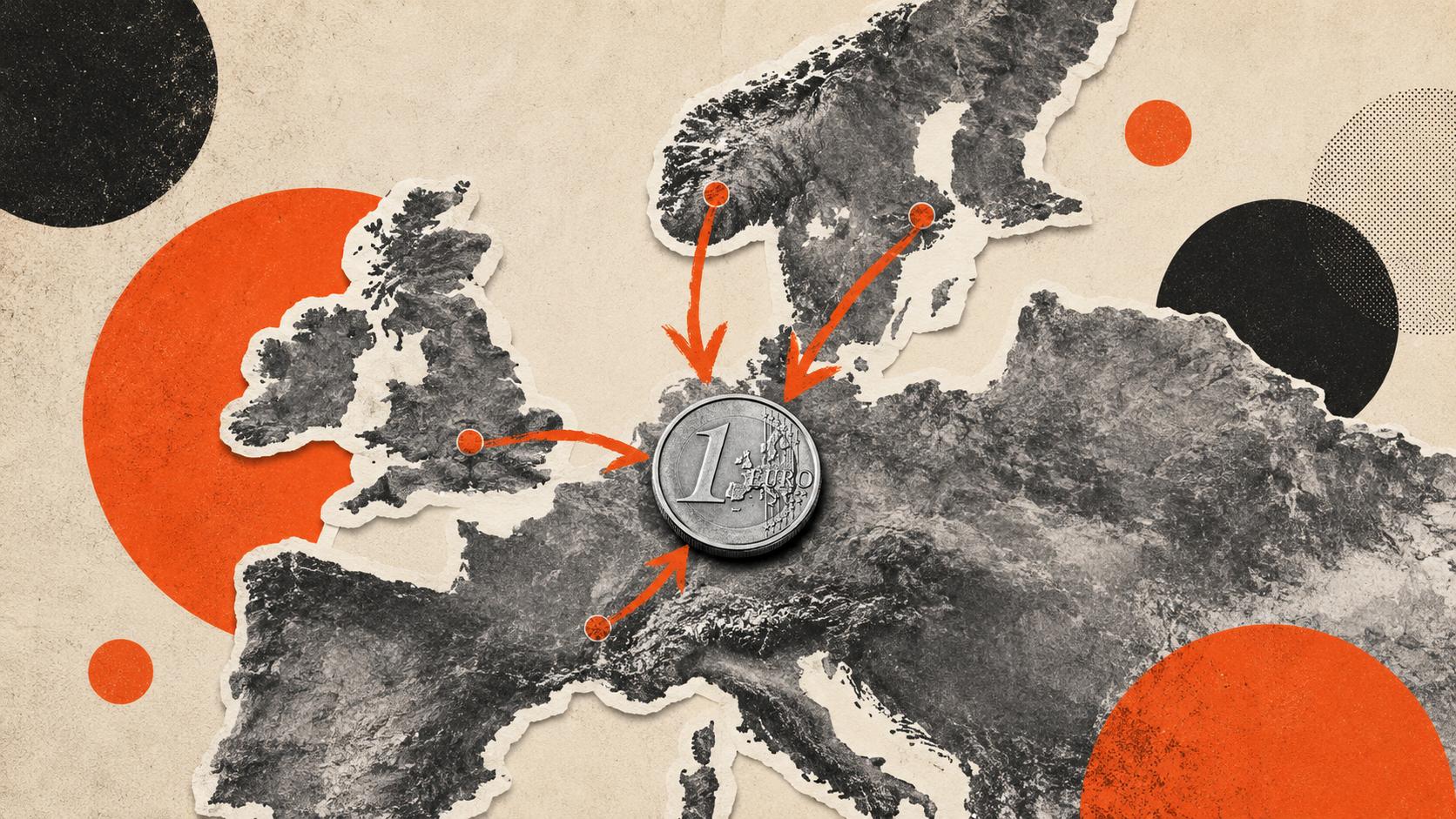

BNY’s Geoff Yu argues that European rate markets, including for the Euro, are pricing an overly restrictive path, driven mainly by energy shocks rather than a broad tightening cycle. He expects at most one more ECB hike, likely in December, and sees hawkish pricing peaking in Q1 as scenario analyses and energy assumptions evolve, with limited evidence of wage-driven second-round effects.
Energy shocks drive excessive ECB hike pricing
"Restrictive pricing is at high risk of unwinding. We still see market pricing across Europe as excessive, although some recalibration is warranted. Prices for core energy inputs such as Brent crude and natural gas are above the European Central Bank’s (ECB) technical assumptions in its September staff projections, but well below the levels that would trigger its “severe scenarios,” which call for very restrictive policy."
"Eurozone household surveys show elevated forward inflation expectations, but the March and April expectations shock from the Gulf conflict wasn’t sustained, marking a clear departure from 2022. The forward wage tracker rallied in response, but even at its peak in the summer, there was little risk of wage growth moving above 3%."
"We don’t see the ECB committing to more than one hike through Q2 next year, when wage settlements become clearer. A December hike is likely, though it will probably mark the final move of Lagarde’s tenure. We’re watching the scenario analyses in the staff projections closely."
"The option-implied, risk-neutral densities for energy prices and exchange rates will likely look very different from the Q2 and Q3 iterations, setting out levels at which inflation could undershoot the target and remove hawkish pricing. That’s why we see pricing peaking in Q1."
(This article was created with the help of an Artificial Intelligence tool and reviewed by an editor. Know more.)
Author
FXStreet Insights Team
FXStreet
The FXStreet Insights Team is a group of journalists that handpicks selected market observations published by renowned experts. The content includes notes by commercial as well as additional insights by internal and external analysts.

















