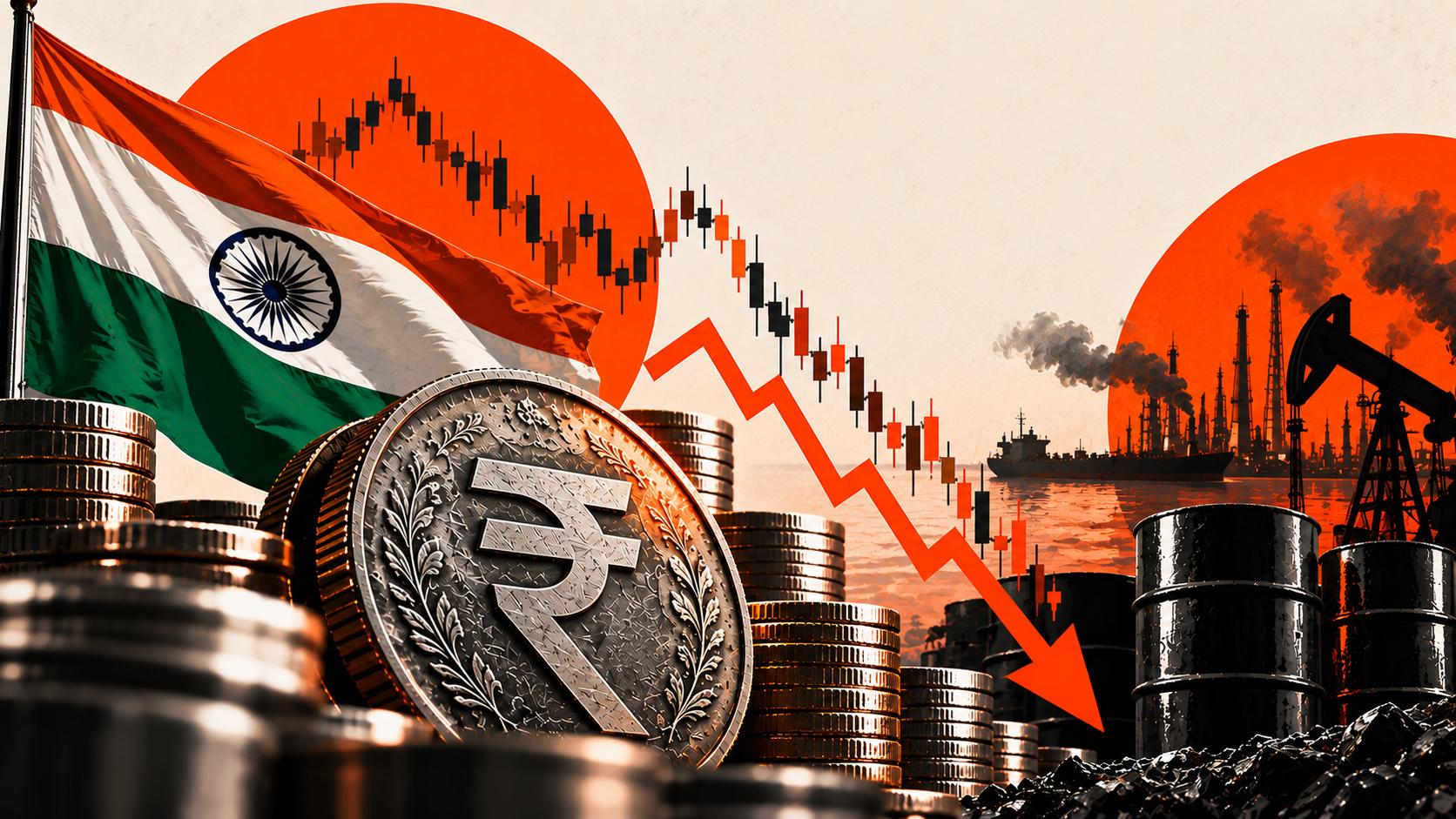
Euro dips further against British Pound as German Retail Sales disappoint
- EUR/GBP hits a fresh two-week low below 0.8560 and is down 0.4% so far this week.
- German Retail Sales fell for the second consecutive month in August, though less than in July.
- UK GDP has been revised up, while the Current Account deficit narrowed unexpectedly in Q2.
The Euro (EUR) extends losses for the fourth consecutive day against the British Pound (GBP) on Wednesday, as German retail consumption figures failed to cheer investors while the UK Q2 Gross Domestic Product (GDP) was revised higher. The EUR/GBP pair has reached fresh two-week lows below 0.8560, accumulating a 0.4% decline so far this week.
Data from Germany released on Wednesday showed that Retail Sales contracted 0.4% in August, after a 2.5% fall in July, while the year-on-year (Y-o-Y) reading showed a 1.3% rebound after dropping 3.4% in the previous month, but still falling short of the 2% gain anticipated by the market.
In the UK, the second quarter’s GDP has been revised to 0.5% growth from previous estimates of 0.4%, and the Y-o-Y reading to 1.4% from the 1.2% previously released. Beyond that, data from the UK National Statistics Office revealed that the Current Account deficit narrowed to GBP 19.932 billion in Q2 from a downwardly revised GBP 21.12 billion in Q1, against market expectations of a widening shortfall to GBP 25.6 billion.
High Oil Prices and France’s debt keep weighing on the Euro
The pair has been on the defensive over the last few weeks, weighed by higher Oil prices and growing concerns about France’s public debt. Brent Oil has retreated below $96.00 from Tuesday’s highs above $101.00, providing some relief to the Eurozone’s oil-importing economies, but concerns about France’s borrowing costs remain a key hurdle for any significant Euro appreciation.
French public debt pile grew to EUR 3,596 trillion in June, reaching 119% of its Gross Domestic Product (GDP), its highest level since 1946. The gridlock in the government is ruling out any convincing savings plan, and the gap between the French and the German debt yield has jumped to 115 basis points, the largest since 2012, triggering fears about another credit crisis in the Euro Area.
Economic Indicator
Retail Sales (YoY)
The Retail Sales released by the Statistisches Bundesamt Deutschland is a measure of changes in sales of the German retail sector. It shows the performance of the retail sector in the short term. Percent changes reflect the rate of changes of such sales.The changes are widely followed as an indicator of consumer spending. The positive economic growth anticipates "Bullish" for the EUR, while a low reading is seen as negative, or bearish, for the EUR.
Read more.Last release: Wed Sep 30, 2026 06:00
Frequency: Monthly
Actual: -0.4%
Consensus: -
Previous: -2.5%
Economic Indicator
Gross Domestic Product (QoQ)
The Gross Domestic Product (GDP), released by the Office for National Statistics on a monthly and quarterly basis, is a measure of the total value of all goods and services produced in the UK during a given period. The GDP is considered as the main measure of UK economic activity. The QoQ reading compares economic activity in the reference quarter to the previous quarter. Generally, a rise in this indicator is bullish for the Pound Sterling (GBP), while a low reading is seen as bearish.
Read more.Last release: Wed Sep 30, 2026 06:00
Frequency: Quarterly
Actual: 0.5%
Consensus: 0.4%
Previous: 0.4%
Source: Office for National Statistics
Author

Guillermo Alcala
FXStreet
Graduated in Communication Sciences at the Universidad del Pais Vasco and Universiteit van Amsterdam, Guillermo has been working as financial news editor and copywriter in diverse Forex-related firms, like FXStreet and Kantox.