|

ECB: Wait-and-see for second-round effects from energy shock – TD Securities
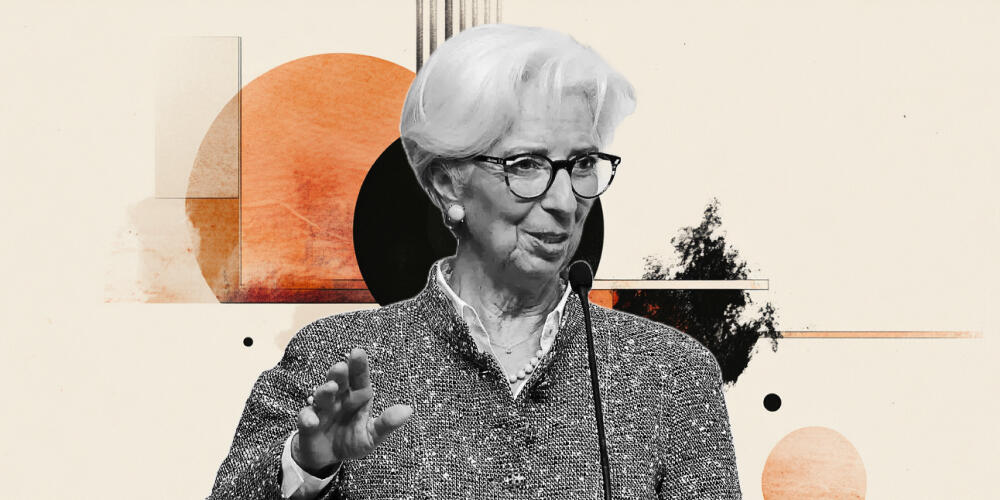
TD Securities notes that President Lagarde used the ECB and Its Watchers conference to outline how the Governing Council is assessing the Middle East conflict shock. The bank says the ECB is effectively playing for time, watching selling price expectations and wage trackers. A forceful response is possible if inflation deviates persistently, but TD still looks for a hike toward end-2026.

Lagarde outlines patient reaction function

"President Lagarde's speech today at The ECB and its Watchers conference laid out a framework for how the Governing Council will be looking at the shock from conflict in the Middle East."

"Broadly speaking, her speech echoes the ECB's message last week, and those of some other Governing Council members, in playing for time before acting."

"Key to any policy response from the conflict is that the energy-price inflation shock would need to be seen spreading via second-round effects. Lane's speech today helpfully laid out the indicators flagged by Lagarde that the ECB will be closely watching, largely consisting of firms’ selling price expectations and wage trackers."

"Ultimately, Lagarde noted that a "forceful or persistent" response from the ECB is possible should inflation deviate significantly and persistently from target, but the conditions spelled out in this speech suggest a hike is not imminent."

"We continue to look for a hike toward the end of 2026."

(This article was created with the help of an Artificial Intelligence tool and reviewed by an editor.)

Author

FXStreet Insights Team

The FXStreet Insights Team is a group of journalists that handpicks selected market observations published by renowned experts. The content includes notes by commercial as well as additional insights by internal and external analysts.


More from FXStreet Insights Team
Share:

Editor's Picks

AUD/USD seems vulnerable near 0.6800, 10-month low amid bullish USD

AUD/USD languishes near a 10-month low during the Asian session on Friday, awaiting a break below 0.6800 before the next leg up amid a bullish US Dollar. Firming Fed rate-hike expectations, along with fading hopes for US-Iran diplomacy, help the USD hold gains at its highest level since April 2025. Moreover, the RBA’s dovish tilt undermines the Aussie and backs the case for further losses.

USD/JPY bulls turn cautious near 160.00 amid intervention risks

USD/JPY enters a bullish consolidation phase around its highest level since early September as bulls turn cautious amid intervention risk near 160.00. Meanwhile, the downside seems cushioned as the wide US-Japan interest rate gap keeps the Yen carry trade active. Furthermore, the possibility of a jumbo Fed rate hike and Middle East uncertainties hold the US Dollar near a 19-month top, supporting the currency pair.


Gold advances marginally; still below $3,900

Gold attempts a mild bounce and approaches the $3,900 region per troy ounce at the end of the week. The marginal recovery in the precious metal comes on the back of a vacillating mood surrounding the US Dollar along with mixed US Treasury yields following the release of US October Producer Prices.

Bitcoin just posted five straight losing weeks, and the storm may not be over yet

Bitcoin is struggling to find support, slipping below $70,000 as multiple headwinds threaten to push the Crypto King lower. The much-anticipated “Uptober” rally failed to materialize, with persistent selling pressure and widespread liquidations instead reinforcing the “Rektober” narrative.

Week ahead – Fed Minutes, inflation data and Nvidia earnings to guide investors

Fed minutes may add to hawkish tone as bets of 50-bps hike grow. Nvidia to report earnings as bar to impress high after spy scandal. Trade and geopolitics to be focal point of Trump-Xi summit.

What the US CPI headline doesn’t tell you about inflation

Brent crude has fallen about a third since mid-October on hopes the Iran war is ending, but diesel, freight and fertiliser costs haven't followed. Those costs reach US consumer prices in stages through 2027 and could keep inflation high after gasoline gets cheaper.