|

China: Policy goals support non-fossil shift – Standard Chartered
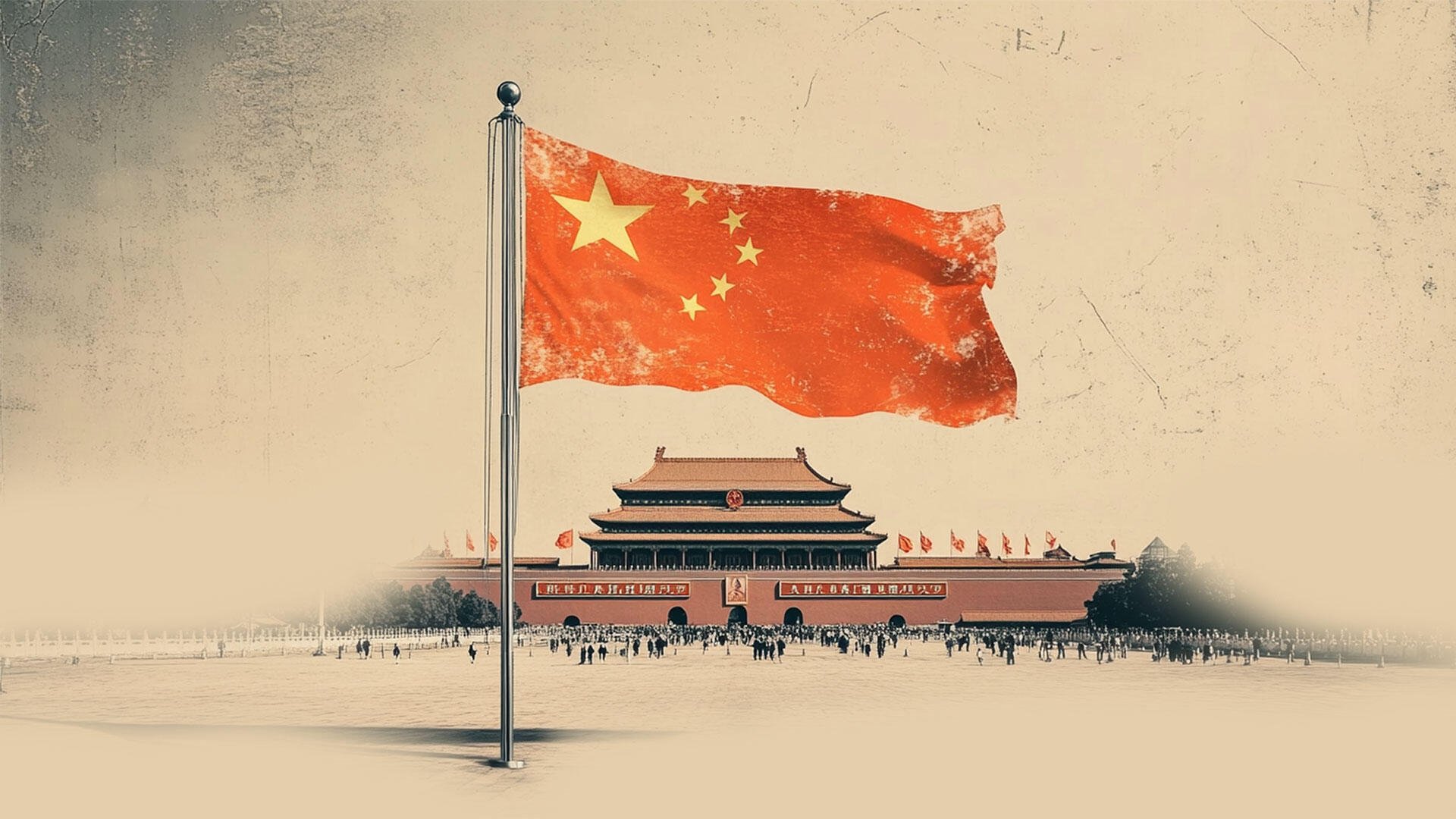
Standard Chartered economists Hunter Chan and Shuang Ding argue that China has weathered the recent Middle East Oil shock relatively well due to its diversified energy mix and long-standing focus on non-fossil energy. They highlight policy targets in the 15th Five-Year Plan to raise the non-fossil share and note that rising geopolitical risks could boost global renewable demand, benefiting China but also raising trade friction risks.

Non-fossil targets and geopolitical tailwinds

"Based on March data, China seems less affected by the energy supply shock from the Middle East conflict, as oil and natural gas are not its dominant energy sources."

"China’s focus on the non-fossil energy transition and energy security for the past two decades is likely paying off."

"While fossil fuel (including coal) is likely to remain an important energy source for security considerations, China’s energy transition will continue, anchored by its policy goals of peak emissions by 2030 and carbon neutrality by 2060, in our view."

"The 15th Five‑Year Plan (FYP, 2026-30) aims to lift the non‑fossil fuel share of total energy consumption to 25% by 2030 from 21.7% in 2025, and longer-term to over 30% by 2035 and over 80% by 2060."

"Rising geopolitical uncertainty and more frequent energy supply shocks could rekindle global interest in renewable energy."

(This article was created with the help of an Artificial Intelligence tool and reviewed by an editor.)

Author

FXStreet Insights Team

The FXStreet Insights Team is a group of journalists that handpicks selected market observations published by renowned experts. The content includes notes by commercial as well as additional insights by internal and external analysts.


More from FXStreet Insights Team
Share:

Editor's Picks

EUR/USD holds ground near 1.1550 ahead of US Inflation data

EUR/USD is holding ground at around 1.1550 in the European session on Wednesday. The pair takes advantage of the profit-taking pullback in the US Dollar as traders reposition ahead of the critical US CPI inflation data. However, any upside attempts could be limited amid renewed US-Iran tensions.

GBP/USD keeps range near 1.3400, with eyes on US CPI

GBP/USD clings to minor recovery gains near 1.3400 in Wednesday's European trading, though it remains in a familiar range heading into the US CPI event risk. Traders keep an eye on developments around the Middle East crisis, which could ramp up volatility in the major.

Gold languishes near March low, below $4,200 as traders await US CPI report

Gold maintains its heavily offered tone through the first half of the European session and currently trades near its lowest level since March 23, around the $4,180-$4,175 region. Renewed hostilities between the US and Iran fuel inflationary concerns and bolster bets for more hawkish central banks.

Cardano's downtrend deepens despite on-chain bottoming signals

Cardano edges lower to $0.1600 signaling a potential extension of the 30% loss from last week. The altcoin remains under intense selling pressure, weighing on its retail support. Still, a spike in dormant supply re-entering circulation signals that the selling pressure has run its course, a pattern that often precedes a rebound.

US CPI data set to show inflation at three-year high in May, backing Fed hawkish tilt

The US Bureau of Labor Statistics will publish the May Consumer Price Index (CPI) data on Wednesday. The report is expected to show another step up in consumer inflation, driven by the persistently high Oil prices due to the ongoing crisis in the Middle East.

The US economy defies the rules: 100 days into the Oil shock and the recession signal is still missing

More than three months after the start of the Iran war and the resulting disruption to global energy markets, the US economy continues to display remarkable resilience. The conflict has triggered a sharp rise in Oil prices, reignited inflationary pressures and fueled widespread concerns about a potential economic slowdown.















