CAPEX and cash flow: The bull case for AI infrastructure stocks

Key takeaways
- Hyperscaler spending is forecast to jump from $390B to $515B YoY.
- Companies are transitioning from capital-intensive buildouts to high-margin models.
- Skepticism in AI ROI is countered by a 30% surge in coding development.
Buy the AI pick and shovel stocks
By now, investors are familiar with the massive and rapid expansion of artificial intelligence (AI) and high-performance computing. While big tech companies steal headlines for their massive AI spend and client-facing AI chatbots, the real winners and the fastest-growing companies will be the AI infrastructure “Pick-and-shovel plays.” Pick-and-shovel plays Nebius Group ((NBIS - Free Report) ), IREN ((IREN - Free Report) ), Astera Labs ((ALAB - Free Report) ), TeraWulf ((WULF - Free Report) ), and Cipher Mining ((CIFR - Free Report) ) offer several advantages for investors. These companies profit regardless of which large language model wins the AI race, enjoy more stable and predictable revenues, and provide investors with broad industry exposure. Below are five reasons investors should buy these stocks now:
Insatiable demand for AI compute
In 2025, CAPEX spending among hyperscalers such as Oracle ((ORCL - Free Report) ), Alphabet ((GOOGL - Free Report) ), Amazon ((AMZN - Free Report) ), Meta Platforms ((META - Free Report) ), and Microsoft ((MSFT - Free Report) ) totaled $390 billion. However, the latest estimates and guidance suggest that AI-related CAPEX spending will soar even higher to $515 billion in 2026. According to Ryan Detrick of Carson Research, AI spending now accounts for more than 2% of GDP, more than what was spent on the railroads in the 1850s. In fact, demand for AI computing power is so strong that a supply-and-demand imbalance is emerging for infrastructure providers.
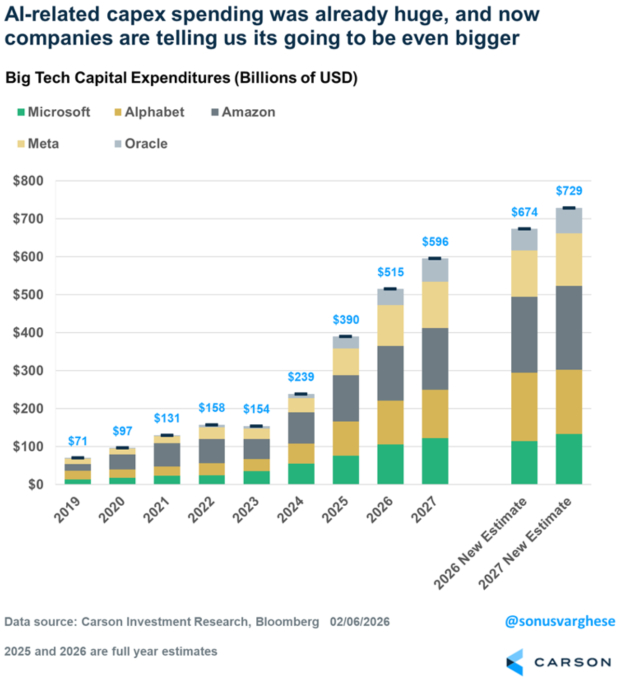
Image Source: Carson Investment Research
AI infrastructure plays will become profitable in time
Due to the rushed nature of the AI buildout, most AI infrastructure companies have been forced to spend significant up-front capital. However, as the “build-it-now” frenzy cools, these businesses will shift from the construction phase to the monetization phase. In time, this recurring rental income will supersede the high start-up costs. That said, investors can take solace in the massive expected top-line growth. For instance, Nebius Group is expected to grow full-year revenues by a mind-boggling 5x in 2026.
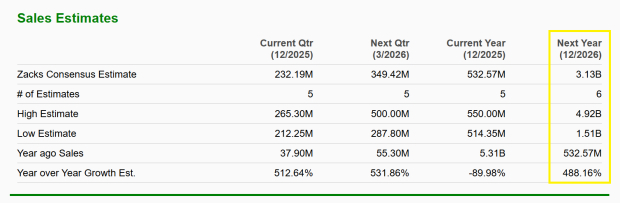
Image Source: Zacks Investment Research
AI is improving productivity and producing real-worldrResults
A popular bear thesis among Wall Street investors is that AI spending will not ultimately be worth it, leading to a slowdown in CAPEX spending. However, the most recent data showsthat the proliferation of AI technology is driving an explosion in coding productivity. New website creation, Apple (AAPL) iOS apps, and GitHub Code have each increased by more than 30% over the past year.
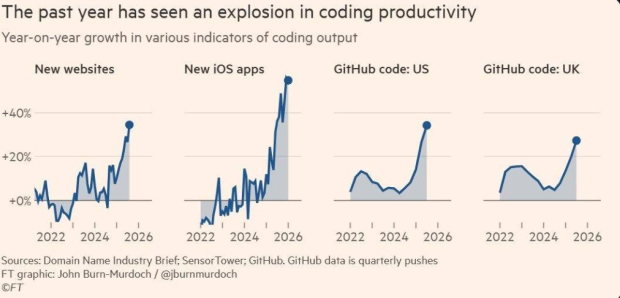
Image Source: Financial Times
This staggering increase in productivity ensures that big tech companies will continue their AI infrastructure spending sprees.
GPU-as-a-service model means juicy margins
Companies like IREN have shifted from selling a commoditized service (Bitcoin mining) to a high-margin GPUaaS model. In fact, IREN’s gross profits have soared from under $200 million (when it went public in mid-2024) to $600 million currently.
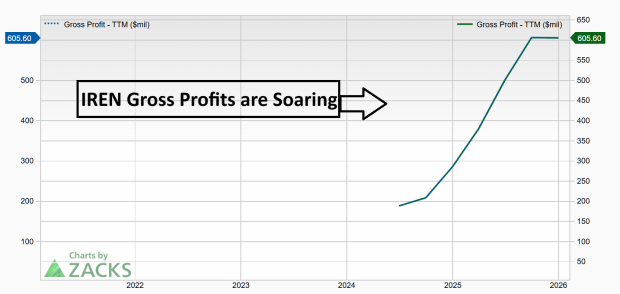
Image Source: Zacks Investment Research
Technical “Shakeout” patterns
A bullish shakeout occurs in technical analysis when a stock’s price suddenly breaks below key support before quickly reversing. Such patterns trigger panic selling and flush out the stock’s “weak holders”, setting the stage for higher prices. NBIS is a prime example. Shares recently undercut 2025 lows, then found support at the 200-day moving average and retook those lows.
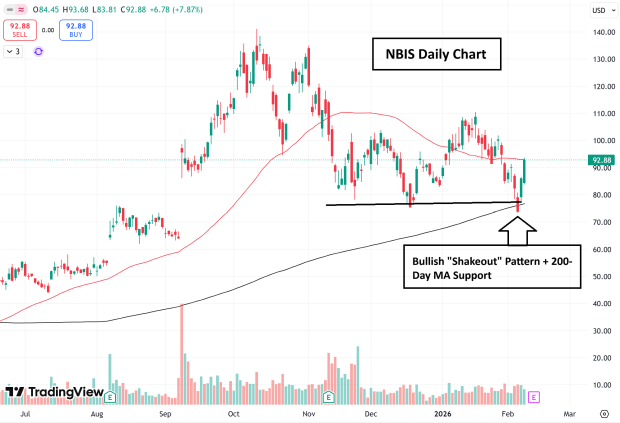
Image Source: TradingView
Bottom line
The transition from speculative AI hype to tangible industrial buildout is creating a unique window for investors. By focusing on the “pick and shovel” providers, investors can bypass the uncertainty of which software will win the AI race.
Want the latest recommendations from Zacks Investment Research? Download 7 Best Stocks for the Next 30 Days. Click to get this free report
Author

Zacks
Zacks Investment Research
Zacks Investment Research provides unbiased investment research and tools to help individuals and institutional investors make confident investing decisions.


![How Wall Street rigs the game [Video]](https://editorial.fxsstatic.com/images/i/market-chaos-01.jpg)