Canadian Dollar underperforms after Canada sheds 68.3K jobs in September
- USD/CAD extends its advance as weak employment data pressure the Canadian Dollar.
- The wide US-Canada yield gap outweighs support from higher Oil prices.
- Elevated US Treasury yields and hawkish Federal Reserve signals keep the US Dollar supported.
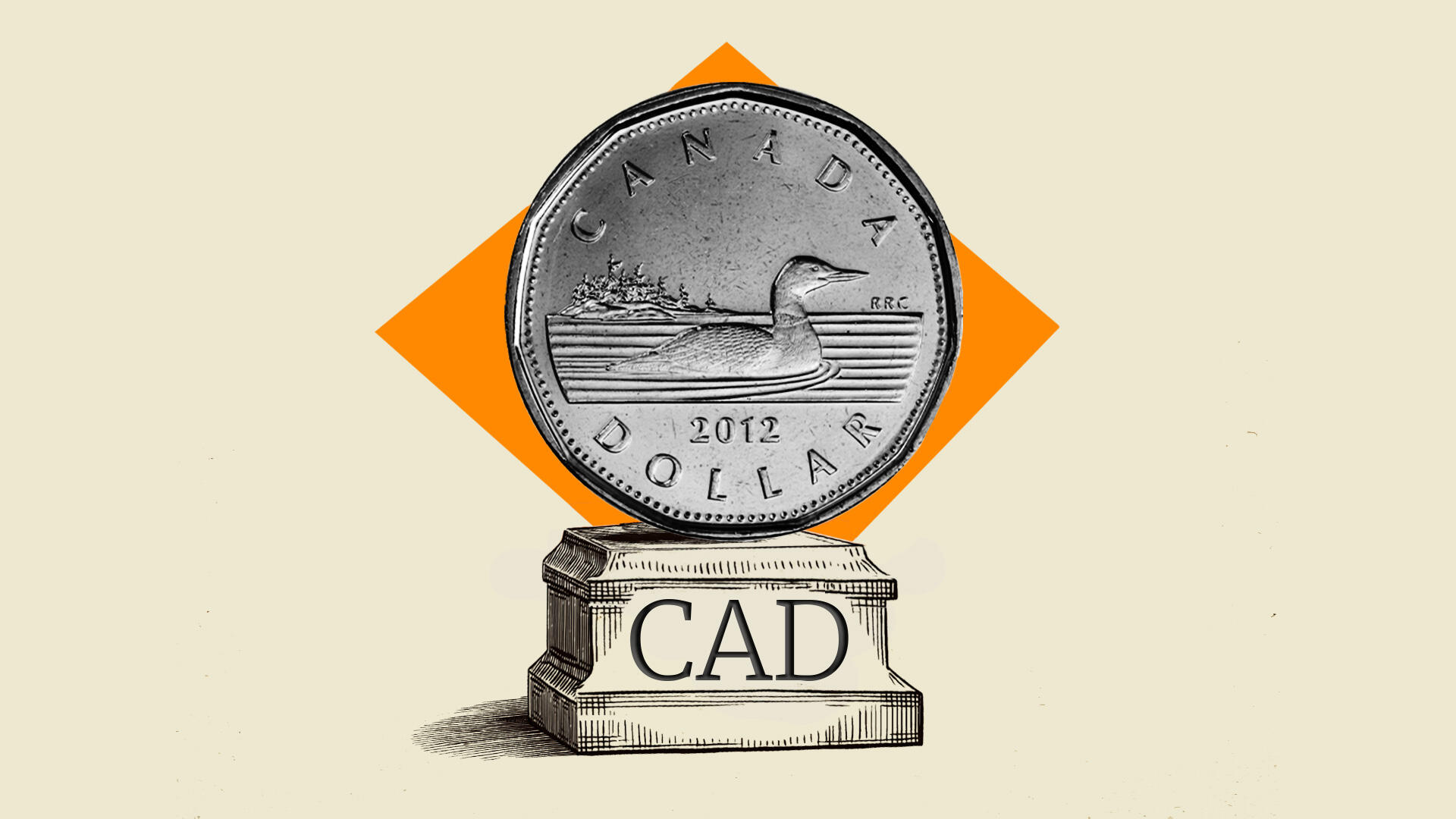
USD/CAD climbs on Friday as the Canadian Dollar (CAD) weakens sharply following a disappointing domestic employment report. A firm US Dollar (USD) provides additional support to the pair. At the time of writing, USD/CAD trades around 1.4276, at levels last seen in April 2025.
Statistics Canada reported that employment fell by 68.3K in September, while economists had expected a gain of 7K. The latest decline followed a loss of 41.7K jobs in August. The unemployment rate rose to 6.5% from 6.4%, while the labour-force participation rate fell to 64.8%, its lowest level since December 1997 outside the pandemic period.
Growing labour-market slack and underlying inflation near the Bank of Canada’s (BoC) 2% target limit the scope for policymakers to raise interest rates. Canadian government bond yields fell after the release, with the two-year yield dropping more than 8 basis points to around 3.199%.
On the other side, the US Dollar remains firmly bid across the board near an 18-month high as markets expect the Federal Reserve (Fed) to raise interest rates again before the end of the year. The US Dollar Index (DXY), which tracks the Greenback's value against a basket of six major currencies, trades around 102.30 after recovering from an intraday low of 101.92.
Elevated US Treasury yields provide additional support to the Greenback. The two-year US Treasury yield holds near 4.797%, roughly 160 basis points above its Canadian counterpart. The wide yield gap remains a major headwind for the Canadian Dollar, outweighing support from higher Oil prices linked to Middle East supply risks.
Recent Fed commentary also remains hawkish. St. Louis Fed President Alberto Musalem said on Thursday, “To bring inflation back to target, more monetary policy firming will be required.” Fed Governor Christopher Waller struck a similar tone, signalling “additional hikes” if economic data develop as expected.
Attention now turns to the preliminary University of Michigan Consumer Sentiment Index for October, alongside 1-year and 5-year inflation expectations.
Canadian Dollar Price Today
The table below shows the percentage change of Canadian Dollar (CAD) against listed major currencies today. Canadian Dollar was the strongest against the Japanese Yen.
| USD | EUR | GBP | JPY | CAD | AUD | NZD | CHF | |
|---|---|---|---|---|---|---|---|---|
| USD | 0.11% | 0.09% | 0.24% | 0.38% | -0.23% | -0.05% | -0.03% | |
| EUR | -0.11% | -0.01% | 0.14% | 0.28% | -0.34% | -0.14% | -0.15% | |
| GBP | -0.09% | 0.01% | 0.17% | 0.32% | -0.31% | -0.10% | -0.07% | |
| JPY | -0.24% | -0.14% | -0.17% | 0.14% | -0.48% | -0.29% | -0.25% | |
| CAD | -0.38% | -0.28% | -0.32% | -0.14% | -0.65% | -0.44% | -0.39% | |
| AUD | 0.23% | 0.34% | 0.31% | 0.48% | 0.65% | 0.20% | 0.26% | |
| NZD | 0.05% | 0.14% | 0.10% | 0.29% | 0.44% | -0.20% | 0.05% | |
| CHF | 0.03% | 0.15% | 0.07% | 0.25% | 0.39% | -0.26% | -0.05% |
The heat map shows percentage changes of major currencies against each other. The base currency is picked from the left column, while the quote currency is picked from the top row. For example, if you pick the Canadian Dollar from the left column and move along the horizontal line to the US Dollar, the percentage change displayed in the box will represent CAD (base)/USD (quote).
Author

Vishal Chaturvedi
FXStreet
I am a macro-focused research analyst with over four years of experience covering forex and commodities market. I enjoy breaking down complex economic trends and turning them into clear, actionable insights that help traders stay ahead of the curve.