Canadian Dollar: Inflation cools BoC expectations – Commerzbank
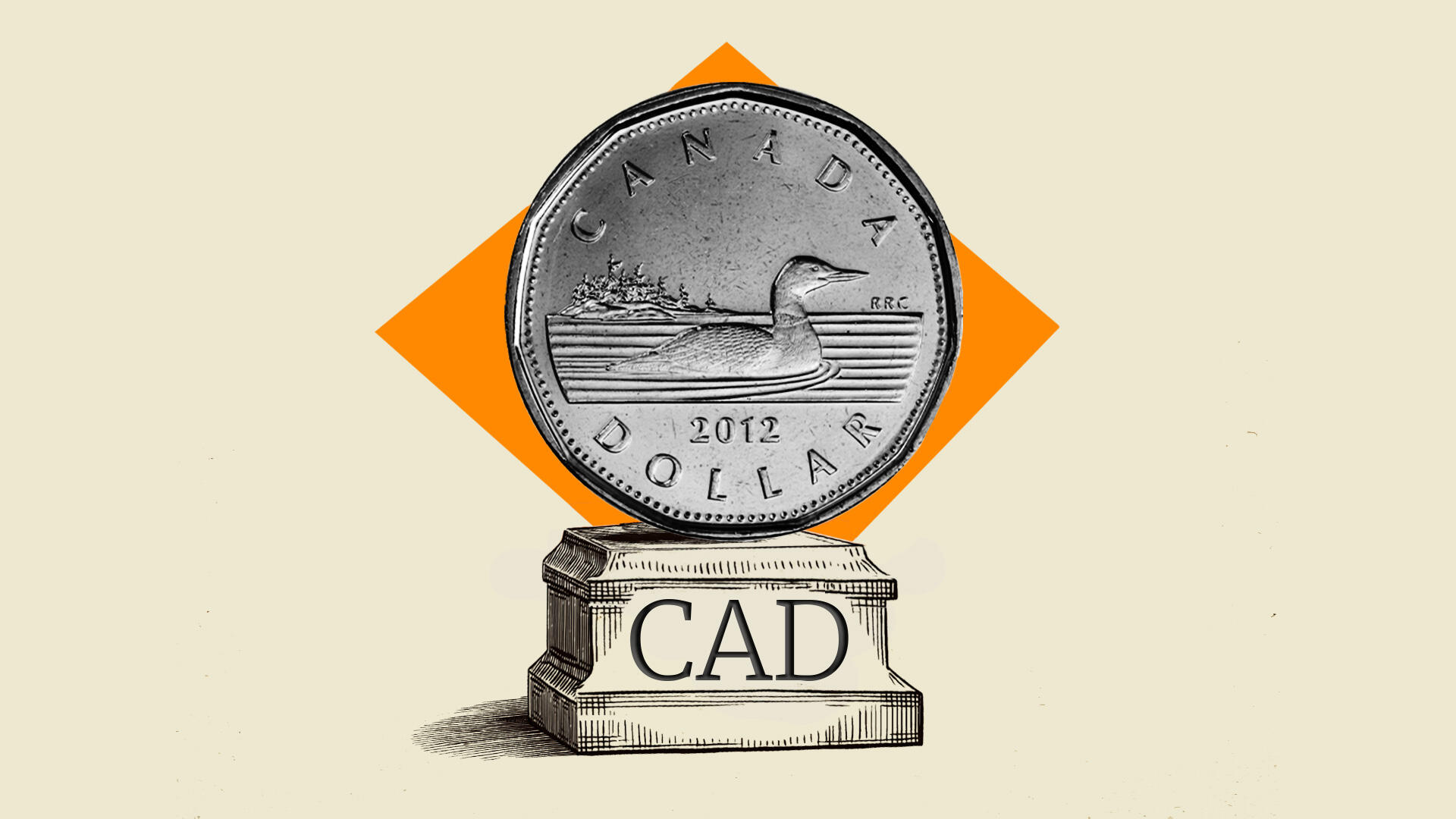
Commerzbank’s Michael Pfister notes that Canadian inflation surprised to downside on core measures, staying near 2%, helped by Canada’s status as a net energy exporter and a weak labour market. He questions market expectations for two Bank of Canada (BoC) hikes by year-end. Pfister sees CAD supported if Iran tensions ease and Canada’s real economy recovers later in year, allowing a possible December hike.
Soft core inflation tempers BoC expectations
"The April inflation figures released in Canada yesterday came in well below expectations. Although the year-on-year headline rate increased from 2.4% to 2.8%, this was still lower than the 3.1% anticipated by the market. As expected, the increase is almost entirely due to rising gasoline prices."
"We therefore continue to have our doubts about market expectations of two interest rate hikes by the Bank of Canada by the end of the year. For the CAD, however, this does not necessarily have to be a bad thing. If the conflict in Iran were to end permanently, many market expectations regarding interest rate hikes would likely no longer be sustainable."
"Then, relatively speaking, performance would likely shift to the CAD’s favour. If the Canadian real economy were to recover in the second half of the year, the Bank of Canada could raise rates in December. But it would be for different reasons than the market currently anticipates."
"It will nevertheless take some time for this view to gain traction. Fortunately, the CAD is currently benefiting from its independence from energy imports."
"Many countries are currently debating the sustainability of the recent energy price shock and the responses of central banks. In Canada, however, this is likely to be a much smaller problem. This is certainly due to the fact that Canada is a net energy exporter."
(This article was created with the help of an Artificial Intelligence tool and reviewed by an editor.)
Author

FXStreet Insights Team
FXStreet
The FXStreet Insights Team is a group of journalists that handpicks selected market observations published by renowned experts. The content includes notes by commercial as well as additional insights by internal and external analysts.