|

Canadian Dollar: BoC patience persists with firmer CPI – TD Securities
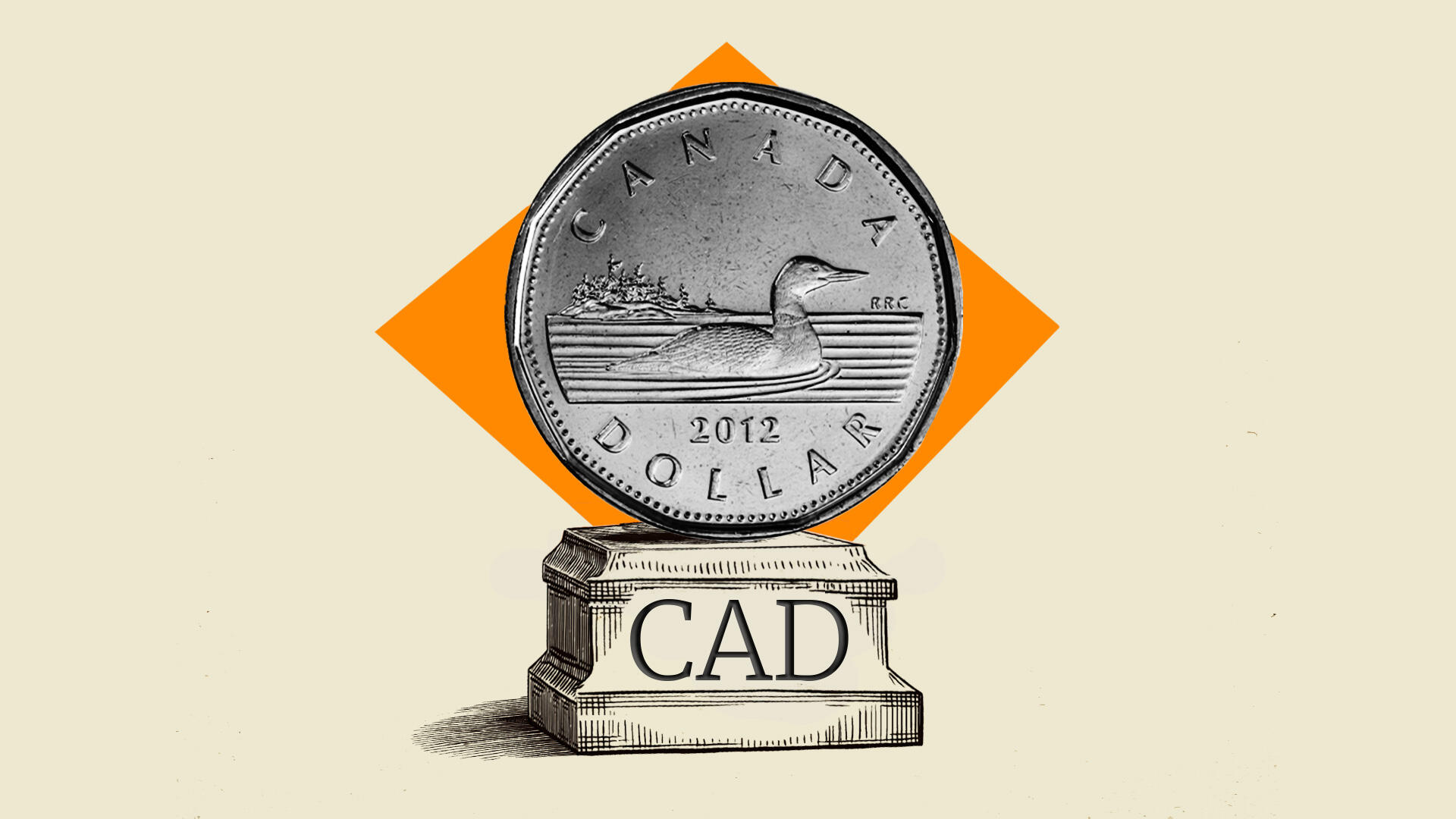
TD Securities strategists note that Canadian headline Consumer Price Index (CPI) for May surprised to the upside, driven by energy and seasonal factors, while core measures remained stable near 2%. They argue this keeps inflation above Bank of Canada (BoC) projections but still allows policymakers to look through headline strength and stay on hold through 2026, with CAD bearishness seen as stretched.

BoC seen staying on hold through 2026

"Headline CPI surprised to the upside at 3.2% y/y in May as prices rose by 1.0% m/m, fueled by another large contribution from energy products along with seasonal tailwinds and some mean reversion in travel-related components. CPI-trim/median were unchanged at 2.0%/2.1% y/y, but firmed to 2.3% on a 3m annualized basis."

"The upside surprise in May leaves CPI tracking further above BoC projections from the April MPR, but we do not see anything in this report to keep the Bank from looking through headline CPI going forward. Core inflation measures are not showing any broad pressures from higher oil prices and indicators of CPI breadth declined from April. We look for the BoC to remain patient and stay on hold through 2026."

"Our views around the BoC remain the same, as the Bank can remain comfortably on the sidelines even as impacts from the war materialize in the data."

"Firmer inflation on the margin is taking some heat off of CAD. CAD bearishness is starting to look stretch and could reverse if Canadian data starts to stabilize. While it is hard to fight near-term USD strength, we like short AUDCAD on the crosses."

(This article was created with the help of an Artificial Intelligence tool and reviewed by an editor.)

Author

FXStreet Insights Team

The FXStreet Insights Team is a group of journalists that handpicks selected market observations published by renowned experts. The content includes notes by commercial as well as additional insights by internal and external analysts.


More from FXStreet Insights Team
Share:

Editor's Picks

GBP/USD extends losses toward 1.3200 after weak UK PMI data

GBP/USD loses further ground toward 1.3200 in the European session on Tuesday. Political uncertainty in the United Kingdom weighs on the British Pound, alongside weak business PMI data for June. Meanwhile, the US Dollar capitalizes on the risk-off mood and hawkish Fed bets ahead of the US PMI release.

EUR/USD stays weak below 1.1450 after German, EU PMI data

EUR/USD struggles to stage a rebound and trades below 1.1450 in the European session on Tuesday, after the data from Germany showed that the Composite PMI declined to 48 in June from 48.8 May, while that from the Eurozone rose to 49.5. Meanwhile, the US Dollar holds the upper hand against the Euro amid risk-off sentiment and a hawkish Fed outlook, leaving the pair on the defensive. Traders now await the US PMI data.

Gold drops to nearly two-week low, seems vulnerable amid Fed hike bets, bullish USD

Gold adds to its Asian session losses, and drops to a nearly two-week low, around the $4,115 region in the last hour amid a bullish US Dollar. Despite positive signals from US-Iran peace talks, widespread skepticism remains toward a final deal. This helps the USD in preserving its recent strong gains to the highest level since May 2025.

Dogecoin risks fresh yearly lows as bears tighten grip

Dogecoin (DOGE) remains under pressure, trading below $0.09 after failing to break above a key resistance zone, and losing more than 7% last week. Weakening institutional interest, declining social dominance and a rise in bearish derivatives positioning continue to weigh on DOGE. In addition, deteriorating momentum indicators suggest the meme coin risks a deeper correction.

US S&P Global PMI expected to show steady business growth in June

S&P Global will release the June flash Purchasing Managers' Indices for most major economies, with the United States data scheduled on Tuesday. These surveys of top private-sector executives are seen as an early indicator of the country’s economic health.

Regime change: Inside Kevin Warsh's first move to make the Fed unreadable on purpose

The rate did not move. That was the least interesting thing about Kevin Warsh's first meeting in charge of the Fed. The FOMC held its benchmark at 3.50%-3.75% for the fourth straight meeting, exactly as priced, and then the new chair used his first press conference to dismantle the machinery the market has leaned on for a decade.













