|

British Pound: Sterling recovery eyes 1.36 caps against US Dollar – Scotiabank
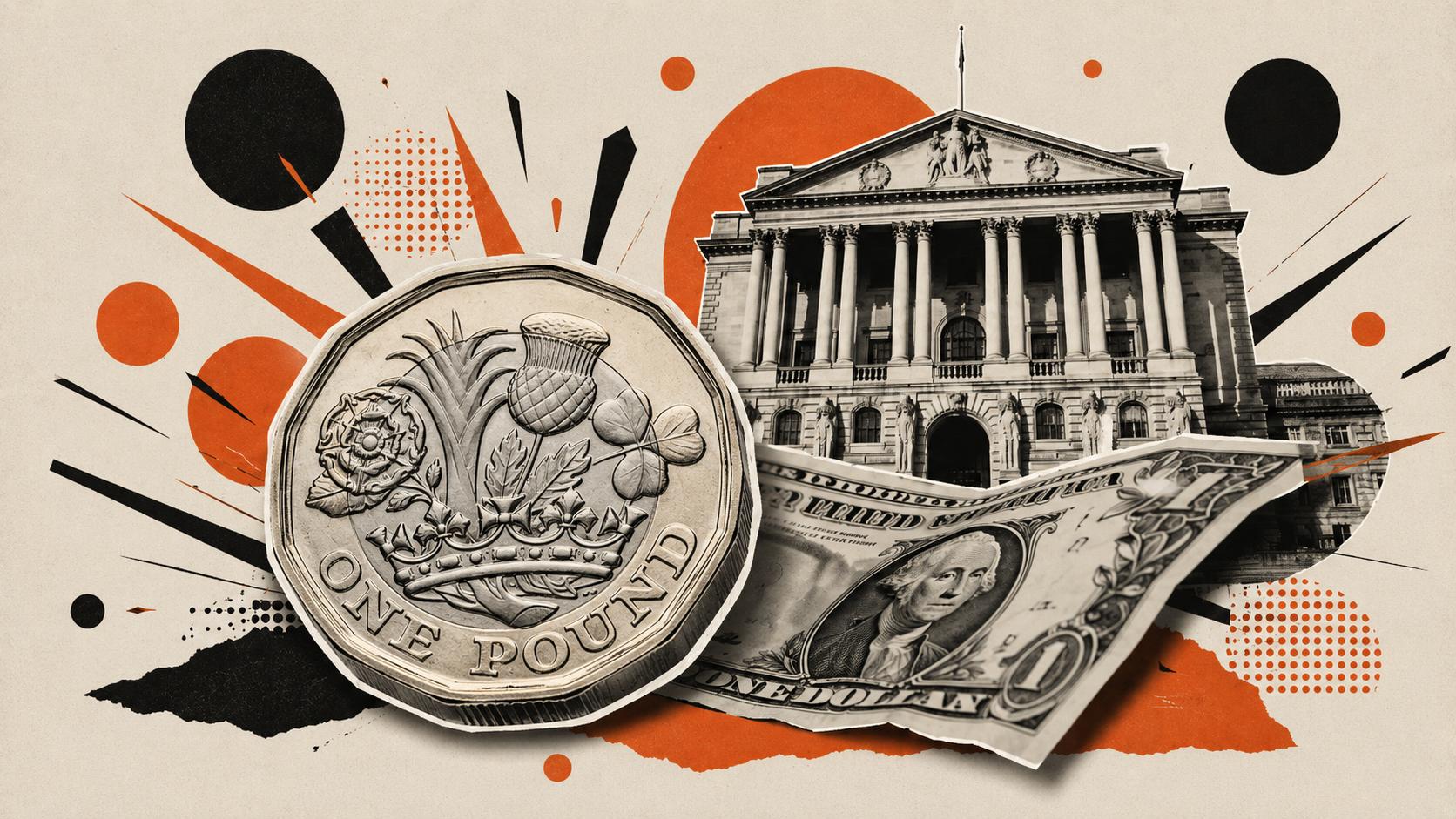
Scotiabank strategists Shaun Osborne and Eric Theoret observe that the British Pound (GBP) is consolidating gains near the top of its one-month and multi-month ranges, with price action closely tied to fading downside risk reversals. Improved United Kingdom (UK) political risk perception and slightly more constructive yield spreads support GBP/USD, while technicals point to resistance around 1.3600–1.36s and support in the mid/lower 1.34s.

Sterling consolidates near recent highs

"The pound is quiet, consolidating its recent gains toward the upper end of both its local (one month) and medium term (multi-month) range."

"Price action continues to be driven by sentiment as we note the GBP’s tight correlation to risk reversals, which continue to fade their premium for protection against downside movement."

"The recovery is important, reflecting an overall improvement in the market’s assessment of UK (specifically political) risk and offers scope for further near-term strength for the pound."

"The release calendar is limited ahead of Thursday’s Q3 GDP (2nd), as well as the trade and industrial production figures for June. Yield spreads are also looking slightly more constructive for the pound as well, showing signs of a renewed recovery following their modest mid/late July pullback."

"Bullish – the overall technical setup remains constructive as the GBP recovers back toward its mid-July peak in the mid-1.35s, as well as the upper end of its range since mid-February."

"We note the potential for additional near-term resistance closer to 1.3600 and the May peaks in the mid-1.36s. We see support in the mid/lower 1.34s, and look to a near-term range bound between 1.3450 and 1.3550."

(This article was created with the help of an Artificial Intelligence tool and reviewed by an editor. Know more.)

Author

FXStreet Insights Team

The FXStreet Insights Team is a group of journalists that handpicks selected market observations published by renowned experts. The content includes notes by commercial as well as additional insights by internal and external analysts.


More from FXStreet Insights Team
Share:

Editor's Picks

AUD/USD defends 0.7000 ahead of RBA on Tuesday

AUD/USD is defending 0.7000 at the start of a new week, trading near its lowest level since August 4 amid a bullish US Dollar. US yields hold near multi-year highs amid inflation risks from higher oil prices and rising bets on an October Fed rate hike. This, along with the US-Iran standoff, continues to underpin the safe-haven buck and weigh on the pair ahead of Tuesday's RBA policy announcements.

USD/JPY climbs back toward 158.00 after BoJ minutes amid firm USD

USD/JPY finds dip-buyers and reverses part of Friday's slide driven by speculation that authorities will step in again to prop up the Japanese Yen. However, the BoJ's dovish Minutes cap the JPY. Meanwhile, the US Dollar regains traction as the US-Iran standoff supports crude oil prices, fueling inflation fears and reaffirming bets for an October Fed rate hike. This further supports the pair, driving it back toward 158.00.

Gold tumbles further; focus shifts to $4,100

Gold kicks in the week on the back foot, selling off to the vicinity of the $4,100 mark per troy ounce, levels last traded back in early August. The resurgence of geopolitical concerns in combination with the firmer US Dollar and rising US Treasury yields keep the yellow metal under heavy pressure on Monday.

Bitcoin dips as ETF inflows meet Fed headwinds

Bitcoin trades below $82,800 at the time of writing on Monday after gaining over 4% last week, with the rally losing momentum near recent highs. Strong institutional demand, supported by spot Bitcoin Exchange Traded Fund inflows, continues to drive demand.

The week ahead: A key moment for the global economy as threats rise

UK diesel hits a record, as economic concerns rise. The market expects an aggressive Fed rate hiking cycle, but is it necessary? Oil supply concerns ease, even as oil prices rise. What’s next for the AI trade.

Fed vs BoJ: Both hiked. The market only believes one of them – and the chart shows which

The Fed and the BoJ have just done something remarkably similar. Both central banks raised interest rates by 25 bps last week, both are confronting inflation risks, and both signal that future decisions will depend on incoming economic data.