Australian Dollar dips to fresh lows sub-0.7000 despite hawkish RBA Bullock
- AUD/USD hits fresh two-week lows at 0.6978 as RBA's Governor Bullock speaks to the press.
- The RBA raised rates to 4.6% on Tuesday, and Bullock hinted at further rate hikes ahead.
- The US Dollar remains strong amid US exceptionalism rhetoric and higher hopes of Fed monetary tightening.
The Australian Dollar (AUD) extends losses against the US Dollar (USD) on Tuesday, despite the Reserve Bank of Australia’s (RBA) interest rate hike and Governor Bullock's comments hinting at further monetary tightening ahead. The AUD/USD pair dropped below 0.7000, hitting fresh two-month lows at 0.6978, as the bullish reaction to the rate hike was halted at 0.7030.
The RBA raised its benchmark interest rate by 25 basis points to 4.6%, its highest level in 15 years. The bank’s statement highlights upside risks to inflation stemming from high energy prices and signs of slowing economic growth, although it hints at further monetary tightening to bring inflation to target.
Bullock hints at further rate hikes in coming months
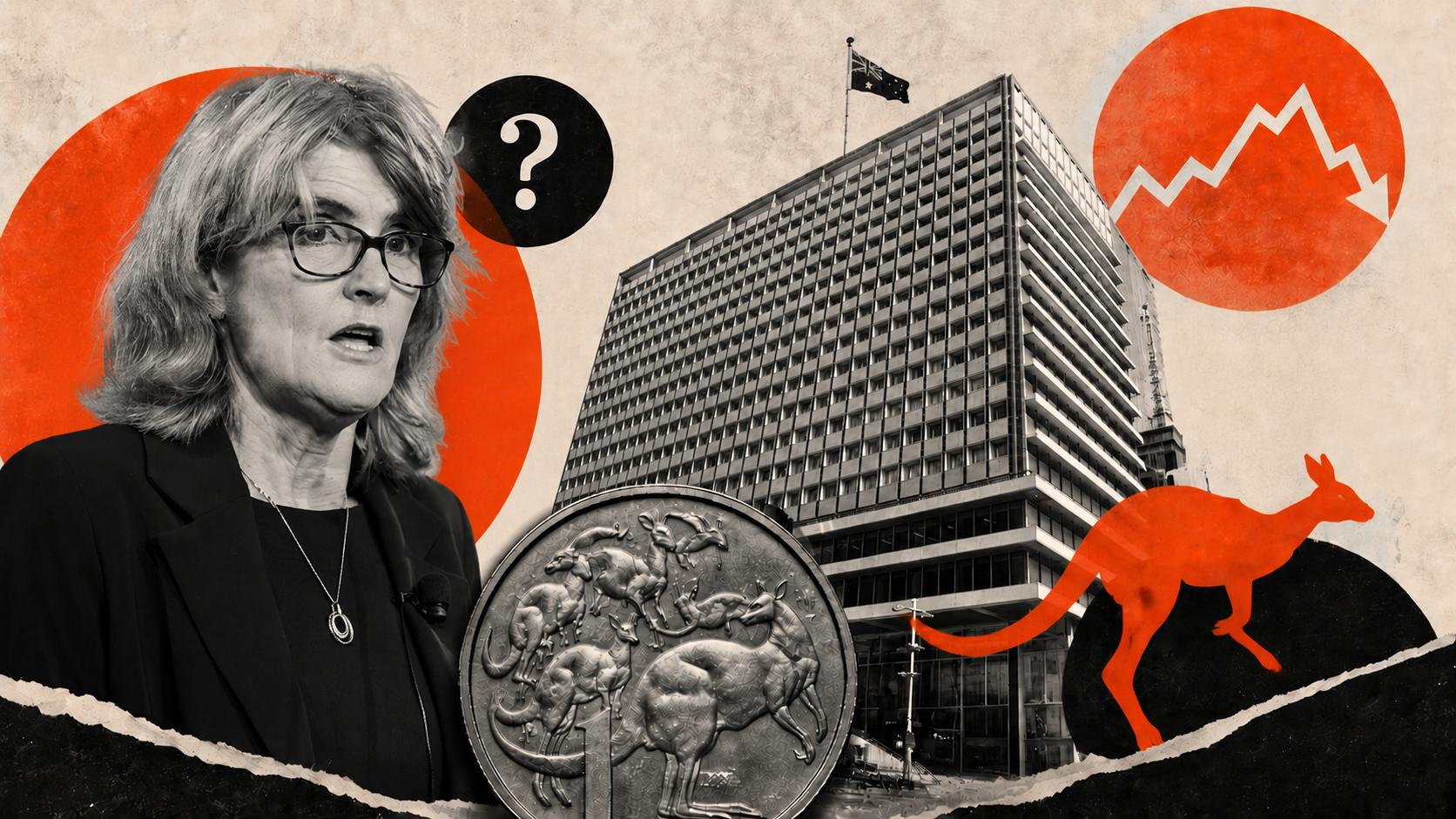
RBA Governor Michelle Bullock has reaffirmed those views at the central bank’s press conference; Bullock assured that the Middle East war has accelerated inflationary pressures and that “the board will rise rates again if needed” but also affirmed that a pause was considered at Tuesday’s meeting and left all options open for September.
Regarding the economic outlook, Bullock said that “recession is not the central base case at this point” and that unemployment is “still quite low by historical standards. Finally, Bullock also added that bond markets are reacting in an orderly way but that the central bank is watching markets closely.
The Australian Dollar has failed to draw support from Bullock's comments, and it keeps the near-term bearish trend intact against a firmer USD. Investors are bracing for strong US Personal Consumption Expenditures (PCE) Price Index data on Wednesday and another positive Nonfarm Payrolls reading on Friday to cement hopes of a further interest rate hike by the Federal Reserve (Fed) in October.
According to TD Securities, the policy backdrop remains supportive for the Dollar, as they “expect the Fed to hike two more times (October and January).” In their view, “the economy can handle more restriction, and the Fed is now providing it,” with “the evolution of inflation data” set to “determine the extent and pace of hikes later in the cycle.”
Economic Indicator
RBA Interest Rate Decision
The Reserve Bank of Australia (RBA) announces its interest rate decision at the end of its eight scheduled meetings per year. If the RBA is hawkish about the inflationary outlook of the economy and raises interest rates it is usually bullish for the Australian Dollar (AUD). Likewise, if the RBA has a dovish view on the Australian economy and keeps interest rates unchanged, or cuts them, it is seen as bearish for AUD.
Read more.Last release: Tue Sep 29, 2026 04:30
Frequency: Irregular
Actual: 4.6%
Consensus: 4.6%
Previous: 4.35%
Source: Reserve Bank of Australia
Economic Indicator
RBA Governor Bullock speech
Michele Bullock is the the ninth Governor of the Reserve Bank of Australia. She commenced her current position in September 2023, replacing Philip Lowe. Bullock was the Assistant Governor (Financial System) at the Reserve Bank of Australia, a position she held since October 2016.
Read more.Author

Guillermo Alcala
FXStreet
Graduated in Communication Sciences at the Universidad del Pais Vasco and Universiteit van Amsterdam, Guillermo has been working as financial news editor and copywriter in diverse Forex-related firms, like FXStreet and Kantox.















