|

AUD/USD: RBA hawkish stance supports resilience – DBS
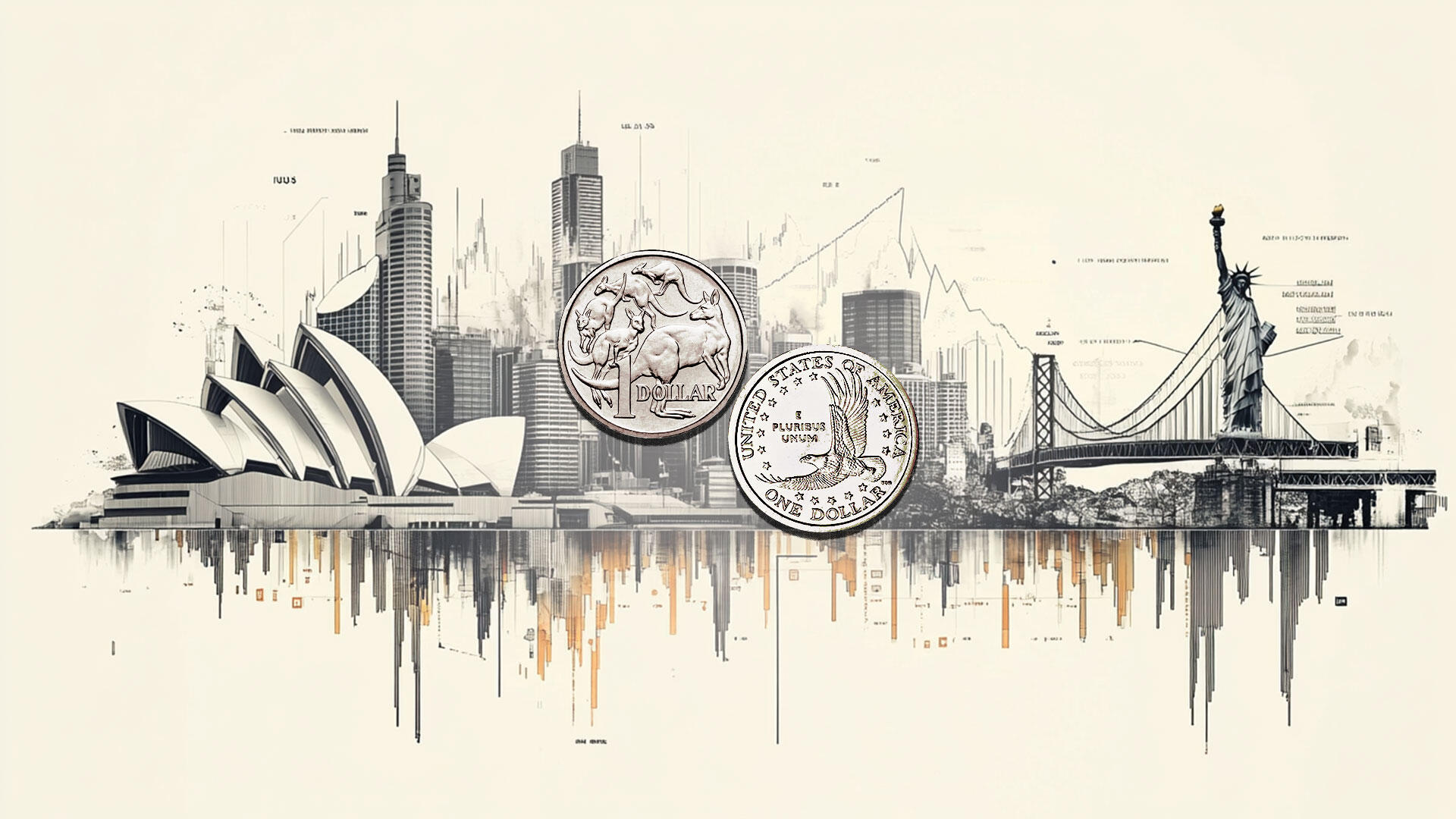
Philip Wee at DBS Group Research highlights that the Australian Dollar has outperformed in G10 despite the Iran conflict. He attributes AUD strength to Reserve Bank of Australia policy divergence and a firmly hawkish stance. Markets have repriced for a possible back-to-back rate hike to 4.10% on March 17, helping AUD/USD regain pre-Operation Epic Fury levels and offset broader risk-off sentiment.

RBA repricing underpins Australian Dollar

"AUD has emerged as a primary outlier in the G10 space, demonstrating significant resilience against the volatility of the ongoing Iran conflict."

"This outperformance is driven by stark monetary policy divergence, as the Reserve Bank of Australia maintains a distinct hawkish stance relative to its peers."

"Following RBA Deputy Governor Andrew Hauser’s recent affirmation that inflation remains the priority of the dual mandate, noting that price pressures were already exceeding February projections prior to the Iran-related energy shock, markets have aggressively repriced the March 17 policy path."

"With a 66% probability now factored in for a back-to-back 25 bps hike to 4.10%, AUD/USD reclaimed the 0.7118 level held prior to Operation Epic Fury, reaching a Wednesday high of 0.7187."

"This price action suggested that the RBA’s commitment to curbing secondary inflationary effects from elevated energy costs is currently outweighing broader "risk-off" sentiment."

(This article was created with the help of an Artificial Intelligence tool and reviewed by an editor.)

Author

FXStreet Insights Team

The FXStreet Insights Team is a group of journalists that handpicks selected market observations published by renowned experts. The content includes notes by commercial as well as additional insights by internal and external analysts.


More from FXStreet Insights Team
Share:

Editor's Picks

USD/JPY stays below 160.50 as markets assess BoJ decision

USD/JPY fluctuates in a relatively narrow range above 160.00 on Tuesday as markets assess the Bank of Japan's (BoJ) decision to raise the policy rate by 25 at the June meeting. Meanwhile, investors keep a close eye on news coming out of the Middle East, while preparing for the critical Fed meeting.

AUD/USD struggles for direction, still below 0.7100

AUD/USD looks to extend Monday’s recovery, although a challenge to the 0.7100 barrier remains elusive ahead of the opening bell in Asia. The Aussie Dollar was unable to take advantage of the RBA's relatively cautious message, which included keeping its OCR unchanged at 4.35% and leaving the possibility of further tightening in the future.

Gold: $4,000 or $4,500? The Fed may decide Gold’s next big move

Gold now surrenders part of its initial advance and recedes to the vicinity of the $4,350 mark per troy ounce on Tuesday. The early enthusiasm sparked by the US-Iran peace deal has faded somewhat, prompting investors to adopt a more prudent stance as they await further details of the agreement and key guidance from the Fed.

XRP pulls back as subdued ETF inflows, layered resistance cap upside
Ripple (XRP) remains elevated above $1.23 at the time of writing on Tuesday, struggling amid a capped upside. Despite an improved overall market sentiment driven by news of a peace agreement between the United States and Iran to end the war in the Middle East, capital inflows remain notably subdued.
1% rate, 160 Yen: Why Japan’s historic hike changed little
The Bank of Japan (BoJ) pushed its short-term policy rate to 1% on Tuesday, the highest setting since 1995 and a 31-year milestone in a normalization cycle barely two years old. It is the kind of number that should mark a turning point for the Yen, and it did almost nothing.
Why a hawkish RBA is no longer enough to lift the Australian Dollar

The Reserve Bank of Australia delivered more than what markets expected: a hawkish hold that should have supported the Aussie. But markets widely ignored it, focusing instead on slowing economic growth and proving that central bank messaging alone isn’t always enough to drive currencies.












