I thought newly launched meme coins were my ticket to wealth: Here's what actually happened

I’ve been trading cryptocurrencies for the past seven years, with meme coins becoming one of the most exciting and implacable parts of my experience. I love them because they represent internet culture and community sentiment, and, let’s be honest, extreme speculation. Newly launched meme coins were especially tempting: get in early enough, I thought, and a small bet could turn into a huge return. I learned that it could just as easily go the other way.
My goal with this type of trading is quite simple: turn small bets into 50x, 100x, or even 1,000x returns quickly. The stake is a pure You Only Live Once (YOLO) mindset. To invest little, dream big, and chase the adrenaline – and I admit that this is a very aggressive method.
Here’s a story about my love-hate relationship with meme coins.
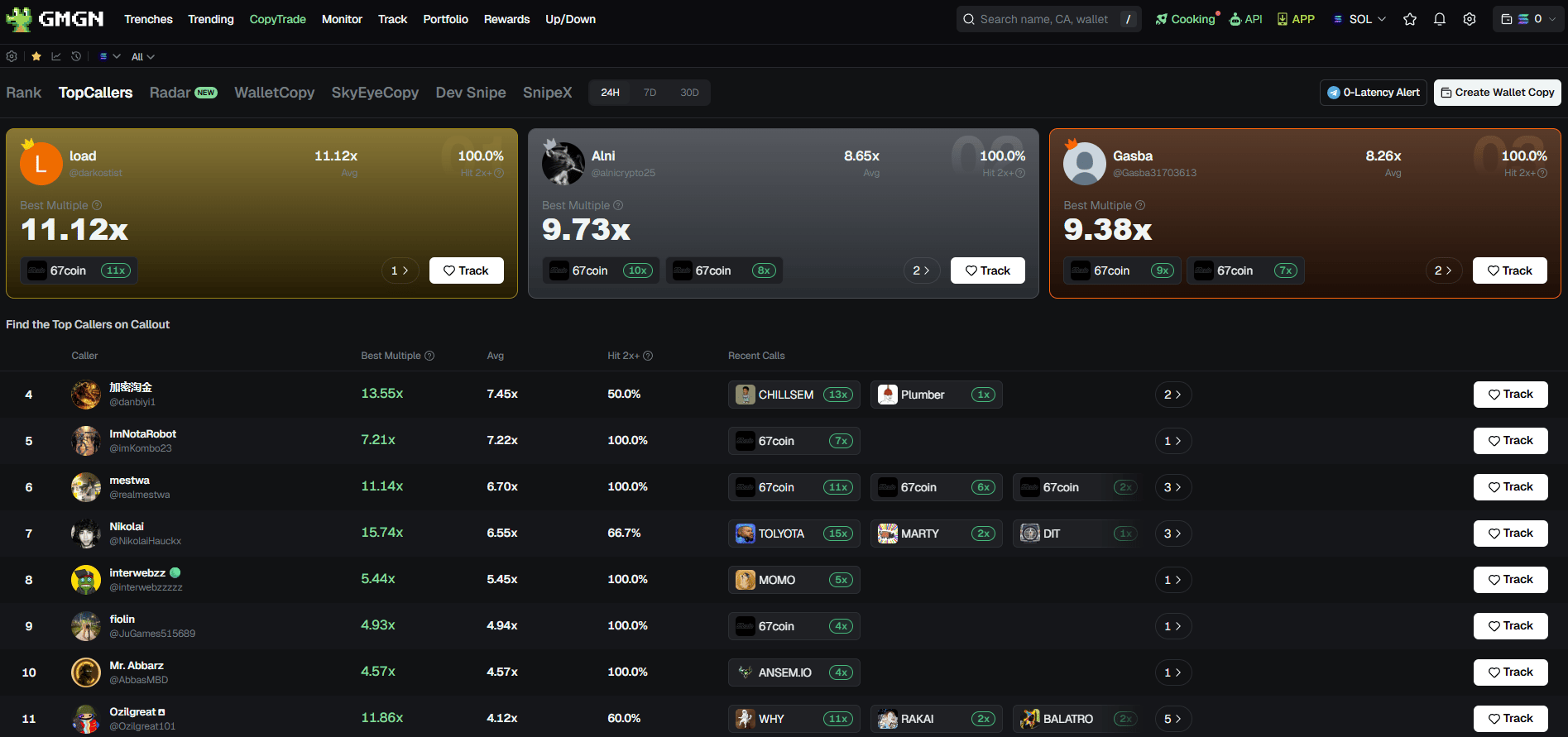
At the beginning, I tracked high-performing wallets (meme coin traders who had historically performed well) and copy-traded their entries on new launches. Later, I also monitored X for celebrity collaborations, mentions, and hype, treated utility as secondary, and jumped into tokens as soon as they appeared.
What went wrong with my meme coin strategy
My rules were easy and simple. To buy early, ride the wave, and hope for the moon. But speculative trading of new meme coins was way harder than I thought.
The unexpected turn came when the hype faded faster than expected. I assumed celebrity mentions and wallet activity guaranteed sustained pumps. However, the reality contradicted that, as many coins spiked on pure noise, then dumped and crashed harder once the initial wave of buyers exited. And it’s quite difficult to be in this initial wave: it comes fast and it can catch you sleeping, at a family reunion, or even during a short morning run.
My biggest mistakes were jumping in without any plan and refusing to book partial profits because I thought I could time or catch the exact top. Moreover, I also waited for a psychological market cap for the meme coin to reach and treated hype on social media as fundamental analysis. The outcome was a classic rollercoaster.
I locked in 3x to 5x gains on a few plays, only to watch later positions wipe out those profits and the original capital. The adrenaline was real, but so was the cost.
What I do differently when trading meme coins now
The takeaway from my experience is straightforward. Always book some profit. You will never consistently catch the top or bottom (if you wait for retracement and re-enter). Copy-trade smart wallets, but check whether they’re not just one-hit wonders.
Verify basic utility. I know utility in meme coins is like finding water in the desert, but even for newly launched coins one should be able to find a basis or community strength instead of blindly following. Proper research and due diligence should be conducted before investing in a meme coin. These include analyzing the team involved, community hype, tokenomics, and roadmaps.
Treat celebrity collabs and trends in social media as temporary hype, not an investment thesis, and try to lock in some profit or recoup the initial investment. Most traders already know that crypto is volatile (some call it a bullet train), but newly launched meme coin volatility is more like fighter jets.
The meme coin cycle tends to follow the broader crypto market, with capital generally rotating into the sector during bullish periods. Investors move from large-cap and blue-chip cryptocurrencies into higher-risk, speculative assets such as meme coins as the bull market matures and they seek greater returns.
However, the current market is bearish, with meme coins among the weakest-performing sectors. Trading newly launched meme coins in this market regime offers limited opportunities and carries even higher downside risk.
The chances of finding a promising meme coin and investing early are slim, and most newly launched tokens will not deliver extraordinary returns.
Size positions small, set clear exit rules in advance, and remember that most newly launched meme coins are high-risk gambles. This is a very risky way to trade, so risk only what you can lose, and remember discipline beats FOMO every time.
That has changed the way I approach these trades. I keep positions small, decide how and when I’ll take profits before entering, and never risk money I can’t afford to lose. I still enjoy trading meme coins, but I wait for the right time, and I no longer approach them with the same YOLO mentality that got me into trouble some time ago.
Let’s be realistic: 100x or 1,000x returns are exceptionally rare and should not be treated as a baseline. I haven’t stopped trading meme coins, but I’m much more selective about when and what I trade, how much risk I take, and when I get out.
Cryptocurrency metrics FAQs
The developer or creator of each cryptocurrency decides on the total number of tokens that can be minted or issued. Only a certain number of these assets can be minted by mining, staking or other mechanisms. This is defined by the algorithm of the underlying blockchain technology. On the other hand, circulating supply can also be decreased via actions such as burning tokens, or mistakenly sending assets to addresses of other incompatible blockchains.
Market capitalization is the result of multiplying the circulating supply of a certain asset by the asset’s current market value.
Trading volume refers to the total number of tokens for a specific asset that has been transacted or exchanged between buyers and sellers within set trading hours, for example, 24 hours. It is used to gauge market sentiment, this metric combines all volumes on centralized exchanges and decentralized exchanges. Increasing trading volume often denotes the demand for a certain asset as more people are buying and selling the cryptocurrency.
Funding rates are a concept designed to encourage traders to take positions and ensure perpetual contract prices match spot markets. It defines a mechanism by exchanges to ensure that future prices and index prices periodic payments regularly converge. When the funding rate is positive, the price of the perpetual contract is higher than the mark price. This means traders who are bullish and have opened long positions pay traders who are in short positions. On the other hand, a negative funding rate means perpetual prices are below the mark price, and hence traders with short positions pay traders who have opened long positions.
Author

Manish Chhetri
FXStreet
Manish Chhetri is a crypto specialist with over four years of experience in the cryptocurrency industry.