Fear is fading across markets, be it Bitcoin, stocks, Gold or bonds

Scan the news and there are plenty of reasons for worry: continued U.S.-Iran escalation risks, mounting sovereign debt and rising bond yields among them. Crypto carries its own set of concerns, including regulatory disappointments, weak demand and hack risks.
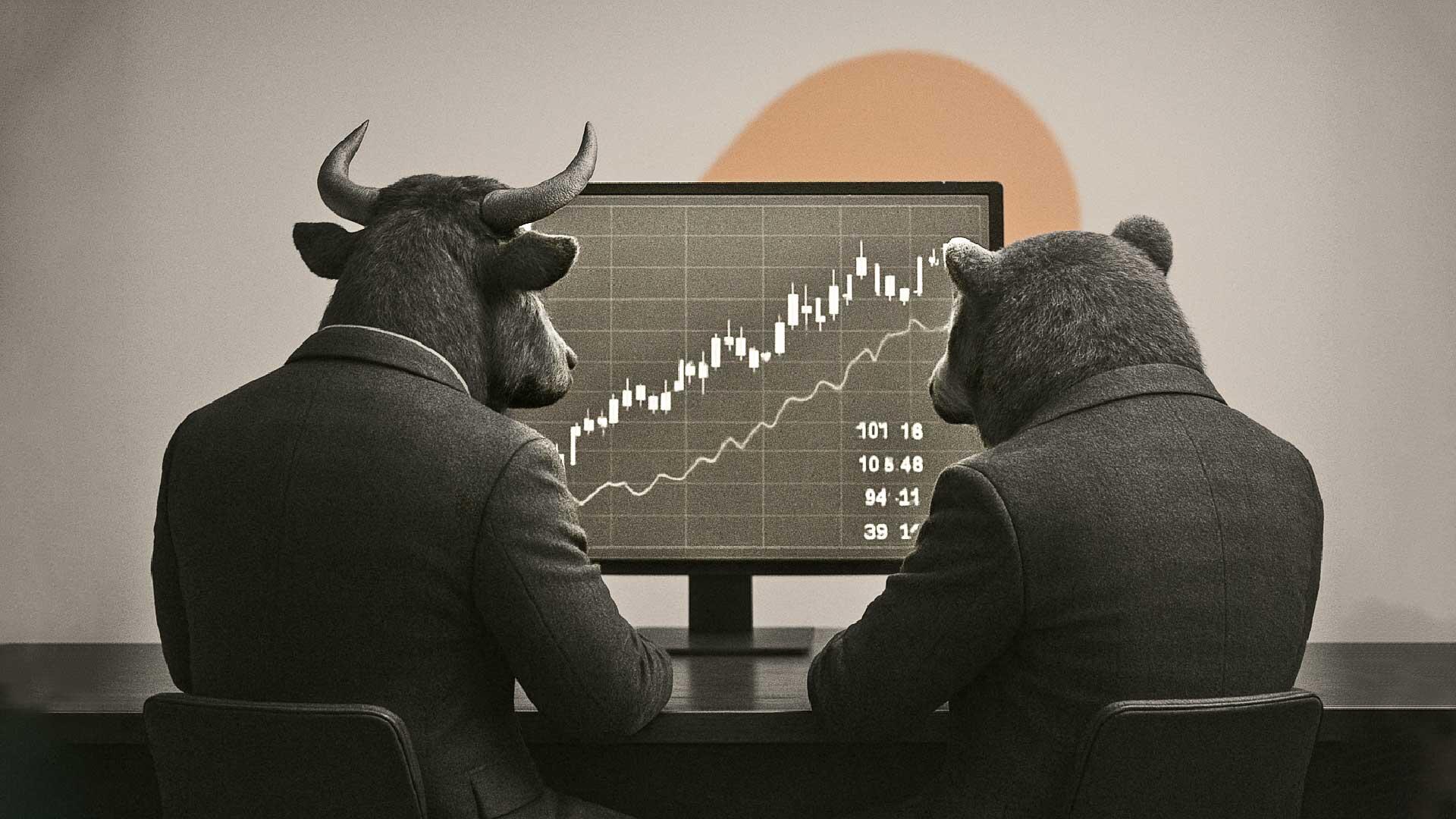
Yet crypto, stocks, bonds and even commodity markets remain sanguine. That is clear from implied-volatility readings across these markets. Implied volatility is a measure of expected price turbulence, and is calculated from the demand for options and other derivatives used to hedge against wild swings and uncertainty.
Bitcoin’s 30-day implied volatility index, BVIV, has dropped back to a 2026-low near 36%, reversing the minor pop to nearly 38% earlier this week, according to data source TradingView. The same is true for ether, the second-largest digital asset market value.
Wall Street’s VIX index, often called a “fear gauge” tracking uncertainty and volatility in the S&P 500, has declined to the lowest level since January. The Treasury market equivalent, MOVE, is also under pressure, hovering near the lower end of its multi-month range of 66% to 84%. Even gold and oil volatility indexes are falling.
A believer in the efficient-market hypothesis would argue that markets are always right and the price at any given moment reflects all available information. So, calmness across markets as reflected in the indexes is to be trusted.
To a contrarian trader, this synchronized low-volatility environment is precisely the time to prepare for a major hiccup. The tape will prove who's right.
Author

CoinDesk Analysis Team
CoinDesk
CoinDesk is the media platform for the next generation of investors exploring how cryptocurrencies and digital assets are contributing to the evolution of the global financial system.