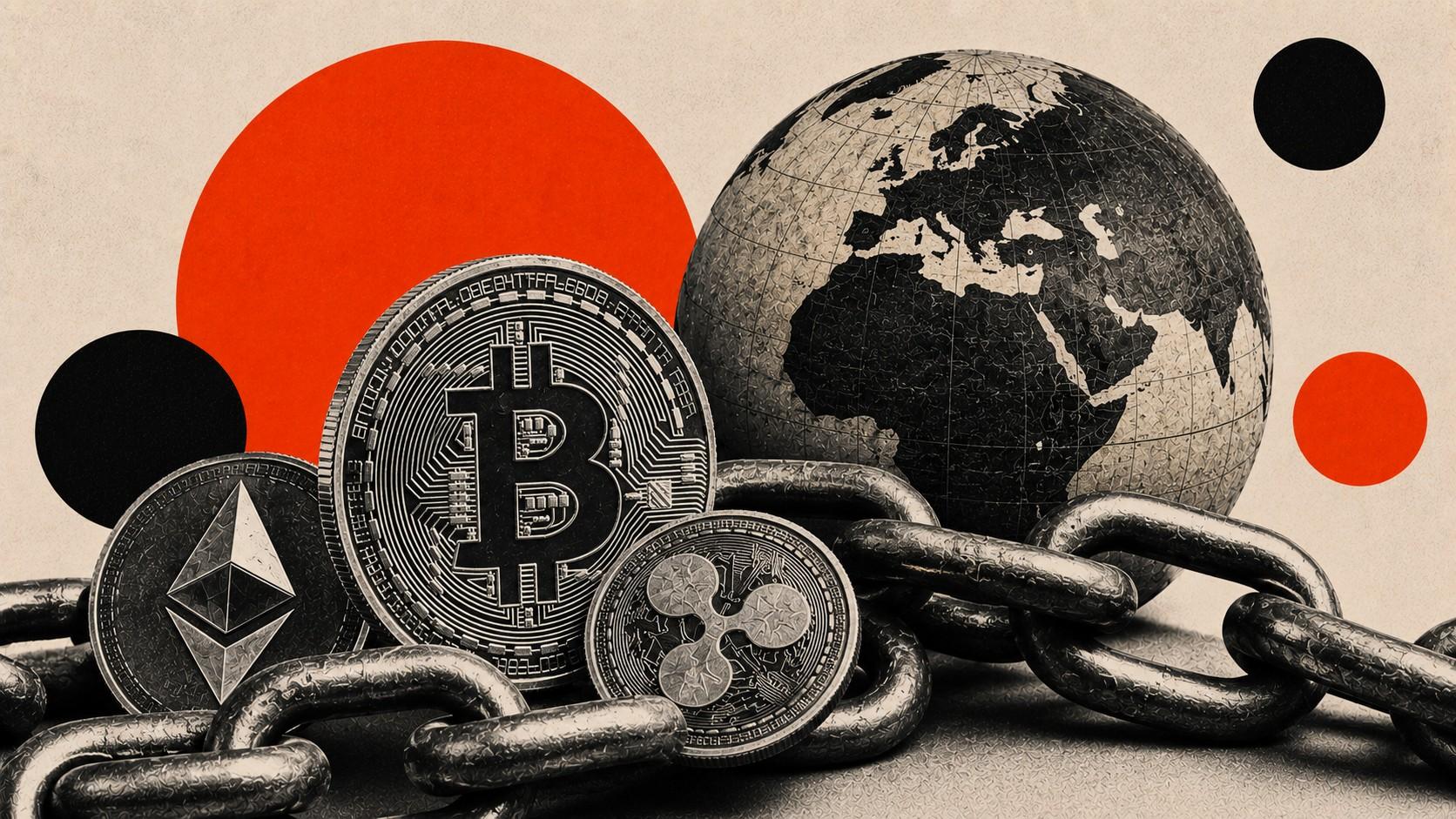
Crypto's future lies in tokenized real-world assets, not speculation
- Atlas CEO Reza Bundy said tokenization will drive crypto's next growth phase by broadening investor access and enhancing resilience to geopolitical disruptions.
- Bundy said Bitcoin is unlikely to replace traditional monetary systems anytime soon.
- He also praised Hyperliquid's innovation but warned that the industry should prioritize monetary-system risks over speculative trading.

Atlas Capital CEO Reza Bundy stated that the crypto industry's next major growth phase will be driven by the tokenization of real-world assets (RWAs) rather than speculative trading.
Tokenization could expand beyond speculative crypto use cases
In an interview with FXStreet, Bundy identified three factors supporting the expansion of tokenization. The first is improved efficiency in fund operations, as blockchain-based infrastructure can streamline back-end processes and reduce costs for investment products.
"The operating environment around a fund is going to be much more lean and margin compressed. In other words, you'll have a lot more efficiency around tokenization on the back end of a fund structure," Bandi said.

He also argued that tokenization can expand access to regulated financial products by allowing a broader range of investors to participate in markets that were previously difficult to reach.
"You unlock a lot of buyers potentially around the world that have access to regulated products that they otherwise wouldn't have," he said.
The third point centers on the increasing vulnerability of traditional financial infrastructure to geopolitical disruptions. Bandi warned that global capital markets remain heavily dependent on the internet and communications networks that could be affected during periods of conflict.
Bitcoin unlikely to replace traditional monetary systems amid rising geopolitical risks
When asked about Bitcoin, Bundy shared a cautious stance on the asset's long-term role in the global financial system. He stated that Bitcoin will likely continue to experience price swings and remain a popular speculative investment, but it can hardly replace traditional monetary systems.
"I just don't see a monetary regime change that goes into the Bitcoin world right now and maybe in the future it does," Bundy said.
The executive also highlighted growing geopolitical risks for Bitcoin and other digital assets. He argued that modern conflicts increasingly target critical infrastructure such as electricity grids, telecommunications systems and internet connectivity systems that underpin cryptocurrency networks.

"I think as the world becomes more asymmetric and more geopolitical in nature, you're going to start seeing risks associated with the underlying, you know, infrastructure that supports Bitcoin," he added.
Despite his reservations about Bitcoin's role as a future monetary standard, Bandi credited the cryptocurrency with laying the foundation for broader blockchain innovation.
"We can't discount Bitcoin. It created the excitement, speculation and funding to allow for the bigger picture to occur, which is tokenizations of real-world assets."
Bundy also pointed to stablecoins as one of crypto's most successful use cases, although he noted an apparent contradiction in the industry's evolution.
Hyperliquid's success stirs questions about broader structural challenges
Speaking about Hyperliquid, Bundy said he views the decentralized derivatives platform as an innovative company that has successfully bridged traditional finance and crypto markets.
However, he cautioned that the industry needs to remain focused on addressing broader structural challenges rather than encouraging excessive speculation.
"I just think we're going into a time and place now that speculations and counterparty risk are just things that we just can't afford to take risks on, especially with people's hard-earned money," he said.
He further shared that the more pressing challenge facing global markets is the growing difficulty of addressing rising debt burdens and broader macroeconomic vulnerabilities. These factors, he said, should take precedence over the development of increasingly complex trading mechanisms.
"It's great that there are companies like this providing liquidity on the edges, but the core risk that we have is our monetary system in the world is at risk," Bundy said.
The statement comes amid Hyperliquid's increased institutional appeal, particularly following the launch of spot HYPE exchange-traded funds (ETFs) from Bitwise, 21Shares and Grayscale in recent weeks.
Author

Michael Ebiekutan
FXStreet
With a deep passion for web3 technology, he's collaborated with industry-leading brands like Mara, ITAK, and FXStreet in delivering groundbreaking reports on web3's transformative potential across diverse sectors. In addition to