Dollar volatility spikes as Middle East tensions meet US election results
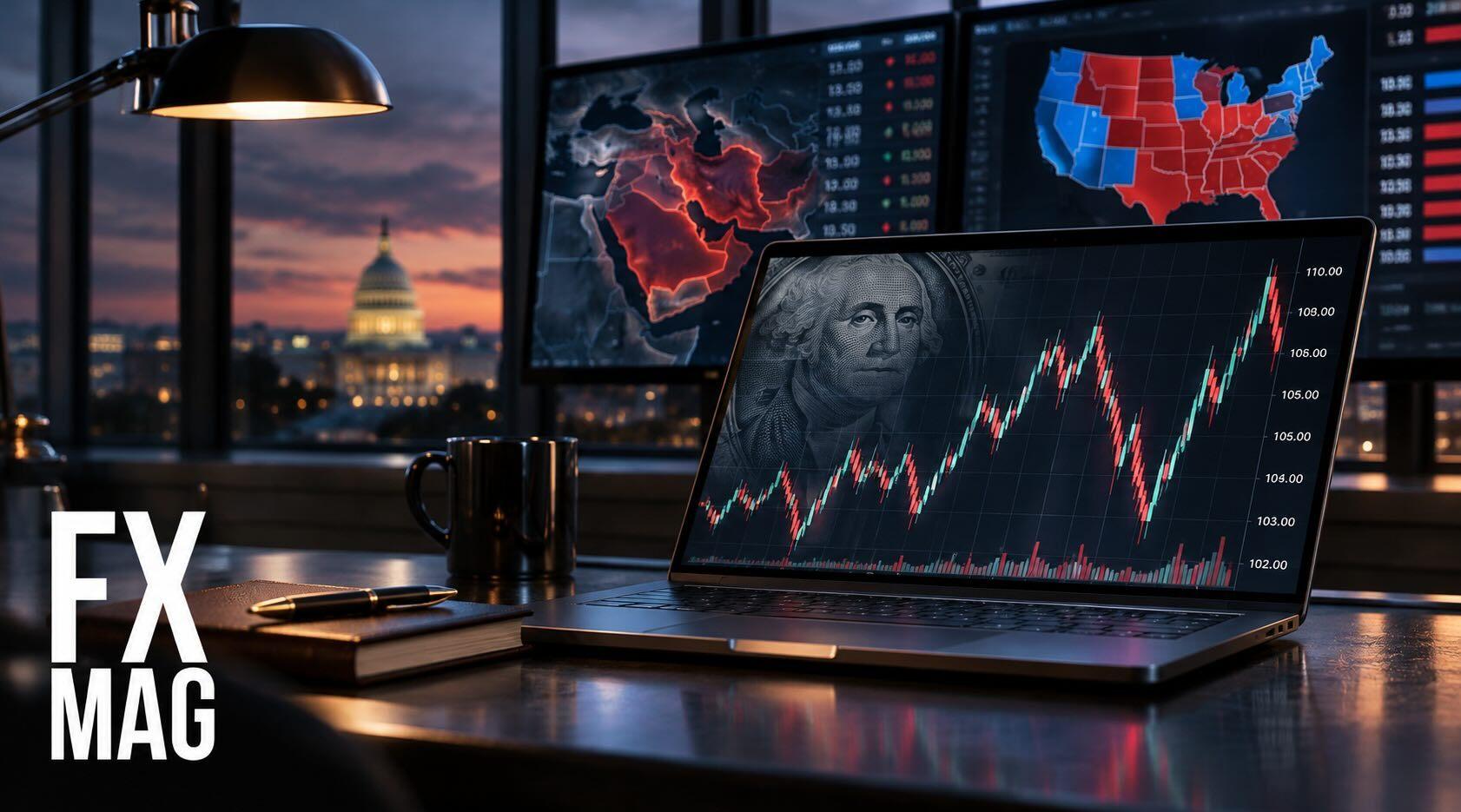

Geopolitical developments in the Middle East and conflicting messages from Washington shape current valuations of the US dollar and the euro. Financial markets react to uncertainties surrounding peace negotiations and political shifts in the United States. Investors closely analyze statements from government officials. President Donald Trump announced on Monday that further strikes on Iran are not necessary. The United States remains fully prepared for military action.
Geopolitical Tensions and Washington Mixed Signals
Trump assessed Tehran military capabilities as depleted. He attributes the current status quo to requests from countries neighboring Iran. This position contrasts with statements from the Secretary of State. Marco Rubio noted on Sunday a complete lack of progress in peace talks. He evaluated Iranian demands as unrealistic and impossible to accept. He pointed out the absurdity of specific postulates, which prevents reaching a stable diplomatic agreement. As reported by the expert financial portal FXMAG, these discrepancies in Washington create additional volatility across major currency pairs. The lack of a unified message from the American administration forces traders to price in a higher risk premium for dollar assets.
Election Results and Market Consequences
The November midterm elections revealed very low public support for the prolonged conflict with Iran. Military operations initiated by the United States and Israel in February were supposed to conclude within a few weeks. The extended stalemate led to a rapid increase in crude oil and fuel prices on global markets. This phenomenon became a primary factor favoring the historic victory of the Democratic Party in the elections. Consequently, Republicans lost their majorities in both the House of Representatives and the Senate. The new balance of power in Congress raises investor concerns about the stability of US fiscal policy and the potential blocking of presidential legislative initiatives. Diplomatic efforts continue parallel to military operations. Donald Trump held an official meeting with the Prime Minister of Qatar on Monday morning. Mohammed bin Abdulrahman Al Thani represents the state acting as a key mediator in negotiations between Washington and Tehran. Despite attempts to establish dialogue, Bloomberg confirmed another American strike on the Iranian island of Keshm on Sunday night. Repeated military incidents amplify market volatility and complicate accurate currency forecasting for the upcoming quarters.
Currency Valuations and European Market Context
The US dollar exchange rate against the Polish zloty stands at 3,90 PLN on Tuesday. Market experts note that the American currency is experiencing its most significant declines in many months. This presents a major test for primary currency pairs, including USD/PLN and EUR/USD. The euro exchange rate against the dollar reached 1,12 USD. Analysts predict that political instability in Washington will lead to dynamic movements in global equity and currency markets. The strength of the European currency is closely tied to sovereign debt dynamics across the Eurozone. You can explore this specific mechanism in our related coverage here, which details how French 10 year yields reaching 2002 highs shape the valuation of the euro and influence capital distribution. According to the analytical department of FXMAG, capital flows indicate a shift in investor preference from American assets toward European markets. The depreciation of the dollar by several % in recent weeks causes reallocations in global investment funds. Analysts observe the transfer of funds from assets priced in the American currency to European markets. The prospect of political paralysis in the US makes investors look for safe havens for their capital. The Polish zloty gains on these changes because capital seeks higher rates of return outside the United States territory.
Global Economic Outlook and Regional Stability
Experts from the financial institution ING Think indicate that the Middle East conflict continuously dictates conditions in financial markets. Currencies react to every new piece of information regarding the potential end of military operations. The price of Brent crude oil stabilized just below 100 dollars per barrel. Geopolitical risk remains high due to slow progress in peace negotiations in the Persian Gulf. Investors face a lack of clarity regarding the long term consequences of recent political events in the United States and Israel. The internal situation in Israel adds uncertainty to global markets. Opposition candidate Gadi Eisenkot received the mandate to form a new government. He strictly prefers a diplomatic approach toward Iran, distinguishing him from current Prime Minister Benjamin Netanyahu. Eisenkot has exactly six weeks to form a stable governing coalition. A lack of success in this area will return the mandate to Netanyahu, which markets interpret as a risk of renewed military escalation. High oil prices affect global transport and production costs. As cited by FXMAG market researchers, sustained inflation above the 2 % target limits the flexibility of monetary authorities. This forces central banks to remain very cautious when making decisions about potential interest rate cuts. The relationship between Washington policy and the Middle East situation will remain a crucial indicator for institutional and retail investors.