Gold Price Forecast: XAU/USD drifts lower to near $2,650, potential downside seems limited
- Gold price loses momentum to around $2,650 in Monday’s early Asian session.
- Weaker Chinese economic data undermine the Gold price.
- The US PPI report and Middle East geopolitical risks could support the yellow metal.
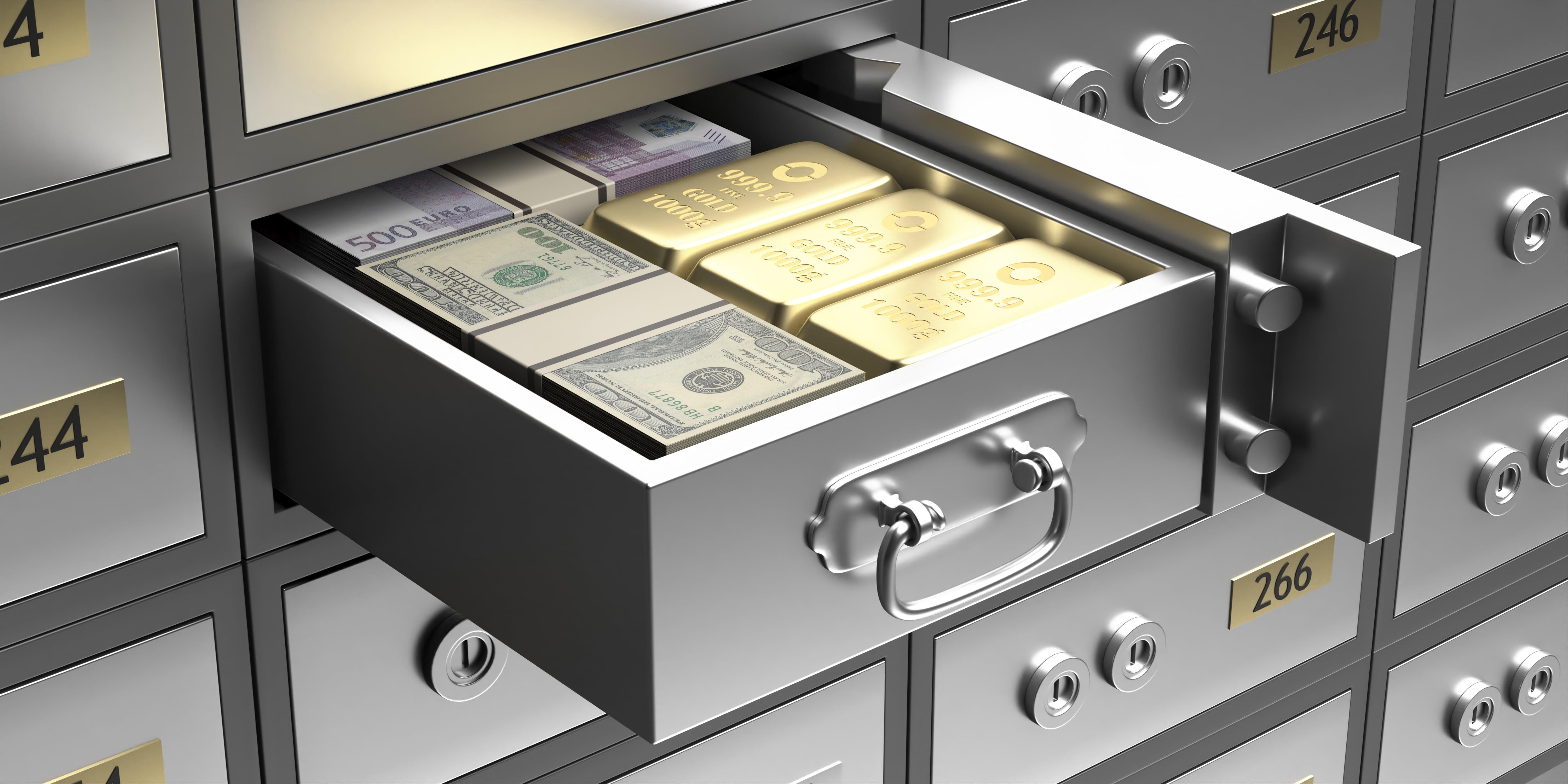
Gold price (XAU/USD) edges lower to $2,650, snapping the two-day winning streak during the early Asian session on Monday. The downbeat Chinese economic data and firmer Greenback weigh on the precious metal. Nonetheless, the prospects of further interest rate cuts this year and safe-haven demand might cap its downside.
China's deflation pressure increased in September. The Consumer Price Index (CPI) inflation unexpectedly eased in September, while the Producer Price Index (PPI) fell more than expected during the same period, highlighting the need for more stimulus measures. The persistent deflationary pressure in China is likely to exert some selling pressure on the yellow metal, as China is the world's largest Gold consumer.
The US Producer Price Index (PPI) was unchanged in September, indicating a still-favorable inflation outlook and supporting the bets of the Federal Reserve (Fed) rate cut in November. "The PPI numbers leaned friendly for the precious metals market bulls and suggest the Fed remains on track for two quarter-point interest rate cuts this year," said Jim Wyckoff, senior market analyst at Kitco Metals.
Additionally, the rising geopolitical tensions in the Middle East have triggered the fear of wider war in the region, boosting the traditional safe-haven assets like the Gold price. On Sunday, at least four Israeli soldiers were killed and more than 60 people were injured by a drone attack in north-central Israel, per CNN. The number of injuries makes the attack one of the bloodiest on Israel since the war started last October. Hezbollah has claimed responsibility for the attack.
Gold FAQs
Gold has played a key role in human’s history as it has been widely used as a store of value and medium of exchange. Currently, apart from its shine and usage for jewelry, the precious metal is widely seen as a safe-haven asset, meaning that it is considered a good investment during turbulent times. Gold is also widely seen as a hedge against inflation and against depreciating currencies as it doesn’t rely on any specific issuer or government.
Central banks are the biggest Gold holders. In their aim to support their currencies in turbulent times, central banks tend to diversify their reserves and buy Gold to improve the perceived strength of the economy and the currency. High Gold reserves can be a source of trust for a country’s solvency. Central banks added 1,136 tonnes of Gold worth around $70 billion to their reserves in 2022, according to data from the World Gold Council. This is the highest yearly purchase since records began. Central banks from emerging economies such as China, India and Turkey are quickly increasing their Gold reserves.
Gold has an inverse correlation with the US Dollar and US Treasuries, which are both major reserve and safe-haven assets. When the Dollar depreciates, Gold tends to rise, enabling investors and central banks to diversify their assets in turbulent times. Gold is also inversely correlated with risk assets. A rally in the stock market tends to weaken Gold price, while sell-offs in riskier markets tend to favor the precious metal.
The price can move due to a wide range of factors. Geopolitical instability or fears of a deep recession can quickly make Gold price escalate due to its safe-haven status. As a yield-less asset, Gold tends to rise with lower interest rates, while higher cost of money usually weighs down on the yellow metal. Still, most moves depend on how the US Dollar (USD) behaves as the asset is priced in dollars (XAU/USD). A strong Dollar tends to keep the price of Gold controlled, whereas a weaker Dollar is likely to push Gold prices up.
Author

Lallalit Srijandorn
FXStreet
Lallalit Srijandorn is a Parisian at heart. She has lived in France since 2019 and now becomes a digital entrepreneur based in Paris and Bangkok.