|

Gold: Investors extend longs but hedge risks – TD Securities
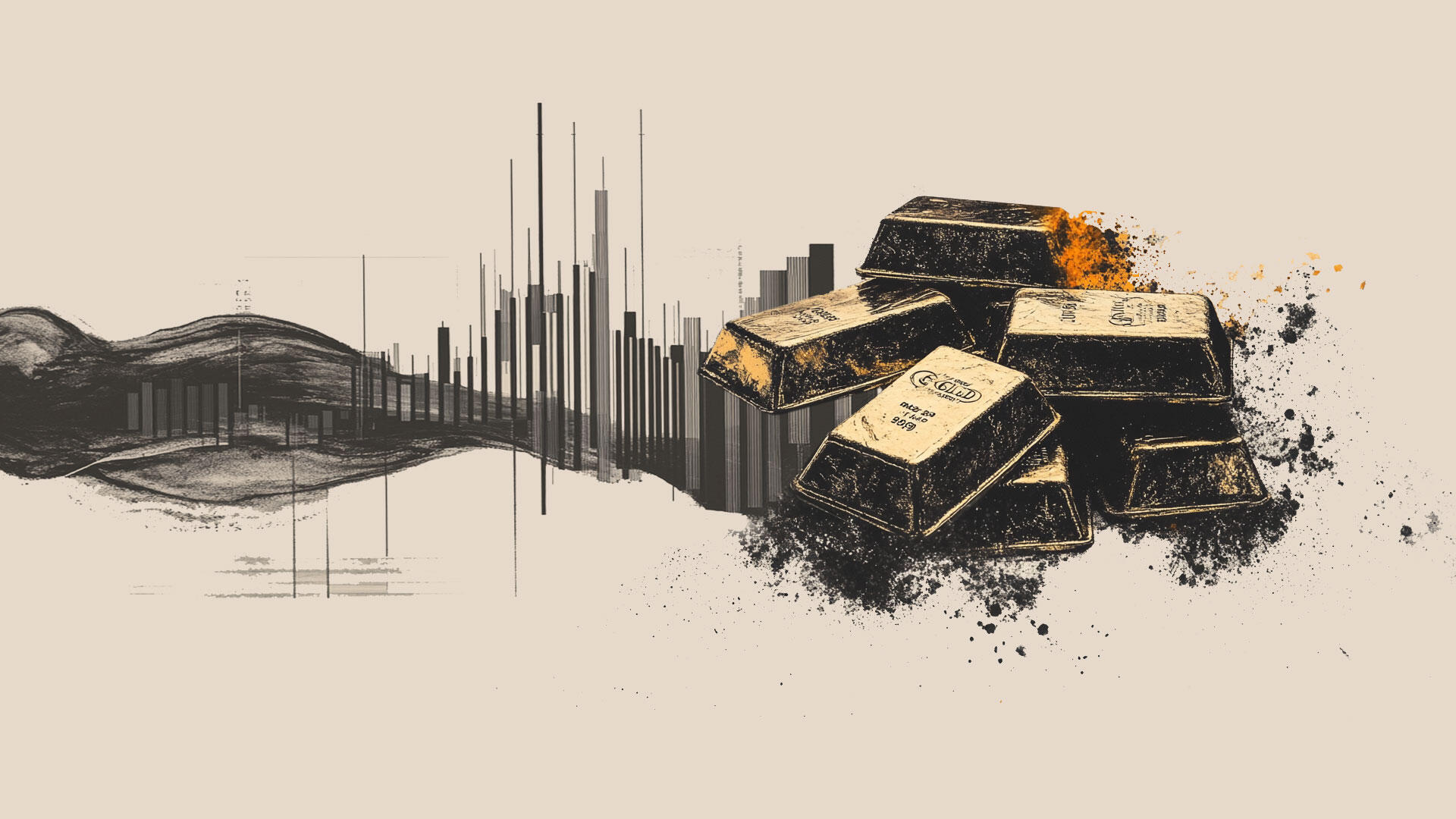
TD Securities strategists note that money managers sharply increased long Gold exposure as modest inflation, soft United States (US) employment data and expectations that the Federal Reserve (Fed) will not hike rates this year weigh on the US Dollar (USD). Some investors still added shorts as protection, reflecting concern that higher Oil prices and interest rates remain possible given Persian Gulf geopolitical risks.

Specs boost longs on Fed pause hopes

"Speculation the Fed will not pull the trigger on higher interest rates and continued Middle East instability prompted investors to add gold and oil exposure."

"The combination of modest inflation, a lackluster U.S. employment environment, little market concern that oil will have another major rally, along with prices moving convincingly into a higher trading range prompted money managers to aggressively increase their long gold exposure."

"Traders are hypothesizing that the Fed will not pull the trigger on rate hikes this year, which has subdued interest rates on the short end of the curve and convinced specs that the USD is headed lower."

"Still, a small portion of money managers added to their short positions to protect against a move lower in gold prices, as they fear that higher oil andinterest rates are still a strong possibility considering the geopolitical instability in the PersianGulf region."

(This article was created with the help of an Artificial Intelligence tool and reviewed by an editor. Know more.)

Author

FXStreet Insights Team

The FXStreet Insights Team is a group of journalists that handpicks selected market observations published by renowned experts. The content includes notes by commercial as well as additional insights by internal and external analysts.


More from FXStreet Insights Team
Share:

Editor's Picks

AUD/USD meets support around 0.6900

AUD/USD remains well on the defensive, bouncing off three-month lows near the 0.6900 level ahead of the opening bell in Asia on Friday. The pair has accelerated its weekly downtrend in response to the marked advance in the Greenback and the widespread selling pressure on the risk-linked assets.


USD/JPY sits at weekly top above 158.00 as bullish USD counters intervention risks

USD/JPY is sitting at the top end of its weekly range above 158.00 in the Asian session on Thursday. Despite the softer US PCE data, oil-driven inflation risks keep US bond yields elevated near multi-year highs. Moreover, the US-Iran standoff benefits the safe-haven US Dollar and supports the pair. Broad US Dollar strength counters hawkish BoJ expectations and Japanese intervention risks.

Gold alternates gains with losses below $4,200

Gold trades without a clear direction on Thursday, always below the key $4,200 mark per troy ounce. The yellow metal’s vacillating price action comes amid the marked advance in the US Dollar coupled with steady effervescence in the Middle East conflict.

Near Protocol slides below $5.00 after Near Intents $4M exploit
Near Protocol (NEAR) uptrend has been cut short, as the price slides below $5.00 on Thursday. The correction comes after an exploit on the network’s Near Intents services, which affected deposits and withdrawals across 11 crypto networks. NEAR is currently trading at $4.88, below the daily high of $5.54, while falling momentum indicators suggest that sellers are gaining the upper hand.
Markets are pricing a Fed pause. The jobs data says the hike is still coming

The market has rapidly changed its mind about the Fed. Only a week ago, investors saw an October interest-rate hike as the most likely outcome. However, softer inflation and cautious comments from policymakers have since turned a pause into the dominant scenario.

Markets are pricing a Fed pause. The jobs data says the hike is still coming
The market has rapidly changed its mind about the Federal Reserve (Fed). Only a week ago, investors saw an October interest-rate hike as the most likely outcome. However, softer inflation and cautious comments from policymakers have since turned a pause into the dominant scenario. Yet beneath that dramatic repricing, the US economy is sending a considerably less dovish message.