China: Policy support and structural shifts – HSBC
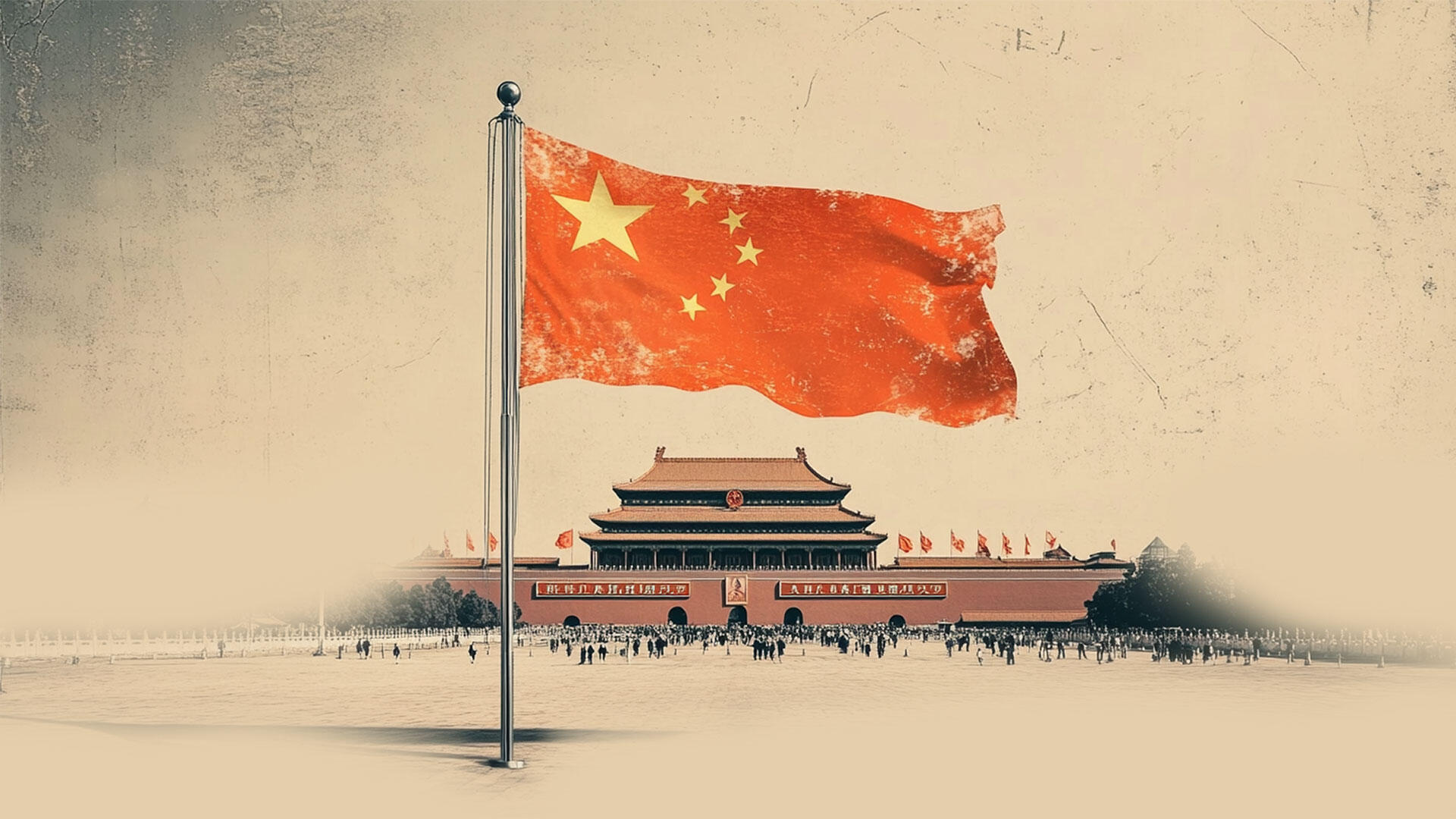

HSBC strategists review July data and the latest China Politburo guidance. Retail sales and Fixed Asset Investment softened, while Industrial Production and exports were supported by AI-related and green technology demand. Policymakers maintained a proactive fiscal and moderately loose monetary stance, signalling faster bond-funded spending, targeted liquidity tools, infrastructure investment in the “six networks”, and a services-led consumption strategy.
Policymakers lean on fiscal support
"Policymakers broadly maintained the current policy stance, reiterating “proactive” fiscal policy and a “moderately loose” monetary policy, while noting the economy is increasingly led by new growth drivers. They also flagged continued headwinds and revived calls to “strengthen counter-cyclical” support – wording that was not used during the April meeting – reflecting softer domestic momentum. Exports have helped cushion growth, but pressure for additional policy support is building."
"The Politburo called for faster spending and greater bond utilisation, starting with the deployment of existing annual quotas. Issuance has lagged versus last year: Special Local Government Bond (SLGB) issuance is 55% year-to-date (Wind) compared with 63% over Jan-July last year, while refinancing bond issuance has reached 84% of the annual quota – highlighting local fiscal constraints and a tilt towards refinancing over new investment."
"Meanwhile, the stance around monetary policy suggests less urgency for broad interest rate cuts or reserve requirement ratio (RRR) cuts. Support is more likely via targeted structural tools and liquidity operations (e.g., Open Market Operations and treasury bond purchases)."
"Accelerated fiscal spending is expected to support investment in the “six networks” – power, water, computing, information and communications technology, urban infrastructure, and logistics – which was also part of the 15th Five-Year Plan. The National Development and Reform Commission (NDRC) has cited over RMB7trn of investment this year (Xinhua, 25 May), though detailed plans are yet to be unveiled. A stronger infrastructure push should provide counter-cyclical support needed to lift domestic demand."
"Policy continues to prioritise domestic consumption, with a focus on services and human capital investment, consistent with the 15th Five-Year Plan (e.g., tourism, healthcare, sport, elderly care, childcare). This suggests support may be more targeted at services than durable goods (e.g., trade-in programmes) where policy support appears to be fading after earlier frontloading."
(This article was created with the help of an Artificial Intelligence tool and reviewed by an editor. Know more.)
Author
FXStreet Insights Team
FXStreet
The FXStreet Insights Team is a group of journalists that handpicks selected market observations published by renowned experts. The content includes notes by commercial as well as additional insights by internal and external analysts.