Counterfeit laws are for you, not for Uncle Sam

A North Carolina man and woman were recently accused of counterfeiting $100 bills made from bleached $1 bills.
The small team, with two additional co-conspirators, traveled through a few cities in North Carolina and into West Virginia spending their counterfeit hundreds. They were finally caught in West Virginia and prosecuted federally.
Do you see the irony in this example of private counterfeiting?
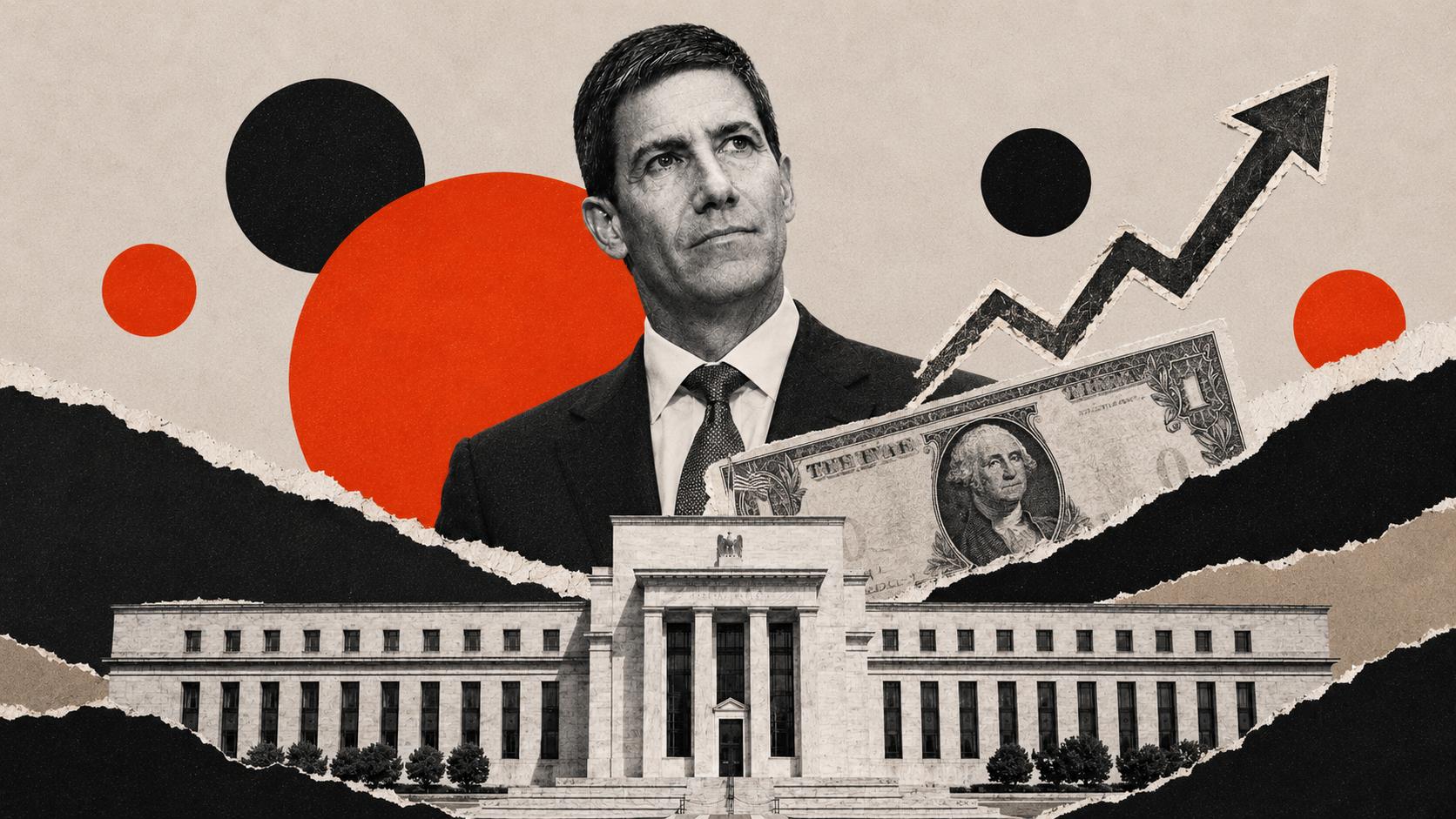
Working in concert, the Federal Reserve and the U.S. Treasury have effectively done the same thing over the past 110 years of the Fed’s existence.
They have printed trillions of "dollars" that aren´t worth what dollars are supposed to be in their original, Constitutional sense.
Except when these central planners do it, no one goes to jail.
Aside from the obvious act of fraud, counterfeiting money – whether it be done by public officials or private persons – is detrimental to economies in multiple ways.
The businesses that the counterfeiter deals with first – along with the counterfeiter himself – benefit most from the production prompted by the money received. As long as they can pass that money along without restriction, the greatest losses will be absorbed by others.
This continued counterfeit process tends toward price inflation because the circulating bills are diminishing in value, even as this process occurs largely undetected.
As socialist economist John Maynard Keynes stated:
“Lenin was certainly right. There is no subtler, no surer means of overturning the existing society [Capitalist System] than to debauch the currency. The process engages all the hidden forces of economic law on the side of destruction, and it does it in a manner which not one man in a million is able to diagnose.”
In 1933, Franklin Delano Roosevelt signed Executive Order 6102 which made the holding of gold coins, gold bullion , and gold certificates illegal within the United States. This also ended the U.S. Mint’s production of gold coins.
This executive order stayed in effect until 1974.
As the debasement of America’s currency has accelerated, U.S. government debt has grown and fiat dollars have been spent increasingly on entitlements, military, and global aid.
Accordingly, fiat money enables the U.S. government to overpromise, overextend, and overspend at home and abroad.
Today, we are seeing a mass deterioration in the standard of living and the decay of the Federal Reserve note dollar’s purchasing power while the U.S. national debt is swiftly reaching $34 trillion.
The debasement of U.S. currency allows for greater spending and the generating of new bills (or the electronic equivalent) with no stable value associated with them, and the result is felt in the symptoms of price inflation.
Sadly, $20 purchasing power in 1932 is now equivalent to around $450 according to government-admitted inflation statistics, which is over 2145% inflation. An ounce of gold, roughly the amount found in a 1932 $20 face value Double Eagle gold coin, is now almost $2,000. That reflects a 99% devaluation of the dollar.
While federal prosecutors may punish private counterfeiters of the paper currency, the federal government itself engages in a similar process, except on a much larger scale.
To receive free commentary and analysis on the gold and silver markets, click here to be added to the Money Metals news service.
Author

Joshua D. Glawson
Money Metals Exchange
Joshua D. Glawson is a writer on such topics as philosophy, politics, economics, finance, and personal development. He graduated with a Bachelor in Political Science from the University of California Irvine. His website is JoshuaDGlawson.com.