BoJ View: super easy policy until 2020 – ING
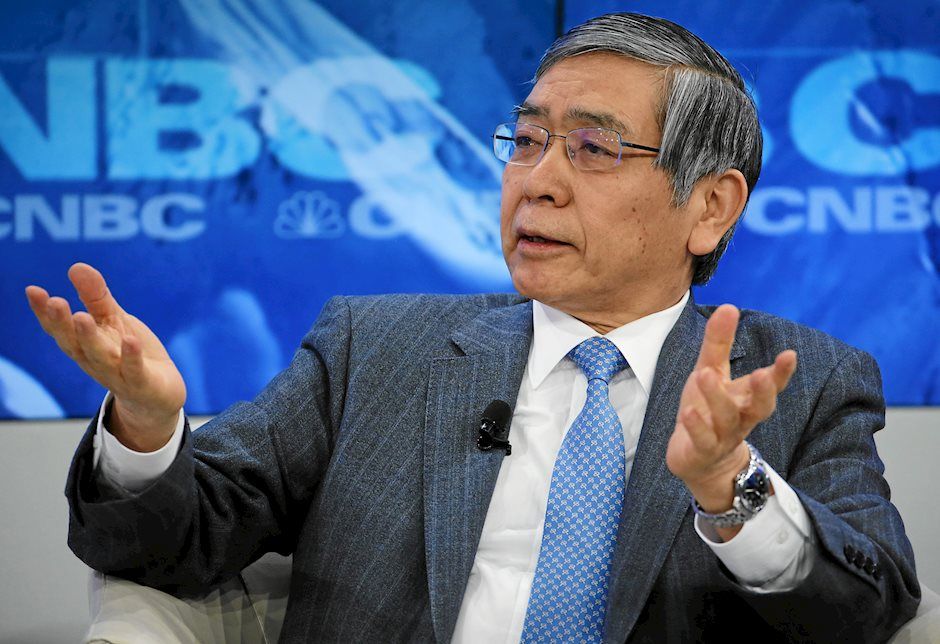

Bill Diviney, Senior Economist at ING Bank, explained that the BoJ made some important changes to its policy framework today, somewhat sooner than expected (we felt a change was more likely in October).
Key Quotes:
"The most important change was to increase the flexibility of its Yield Curve Control (YCC) policy, by allowing the 10y JGB yield to trade in a wider range. BoJ governor Kuroda later clarified that he saw a ‘doubling’ in the trading range from +/-0.1% (i.e. to +/-0.2%), although this was not specified in the formal written communications. In addition to this, the BoJ added new forward guidance on interest rates, stating that rates would be kept ‘extremely low’ for an ‘extended period’, with explicit reference to the planned consumption tax hike of October 2019 (and the need to assess the potentially negative effects of this) as an anchor point. In other words, a further change in policy before 2020 is unlikely."
"Viewed in isolation, the change to the YCC framework could arguably be viewed as a tightening step for the BoJ. Indeed, while the target for the 10y JGB yield is still ‘around zero’, the cap is now at 0.2%, up from 0.1% previously. However, if this is a tightening step, it has been communicated about as dovishly as possible. The impetus for the change is – counter-intuitively – a significant downgrade to the BoJ’s inflation forecasts (by 0.2pp for FY2018, 0.3pp for 2019, and 0.2pp for 2020). While inflation is moving in the right direction, it will ‘take more time than expected’ for the BoJ to reach its 2% target."
"The BoJ’s rationale is that with easier policy likely to be in place for longer, it must be made more sustainable – more needs to be done to reduce the side effects, particularly for the banking sector (sustained low rates are thought to negatively affect bank profitability). While Governor Kuroda stated that it is not his job to improve the profitability of banks, he did nonetheless reiterate concerns over the risks to financial intermediation that could arise if the BoJ did not make adjustments to policy."
All told, while the move to a more ‘flexible’ YCC framework is arguably a tightening step, the weaker inflation outlook and the strong accompanying forward guidance on rates has more than offset the tightening impact. Indeed, markets clearly interpreted the BoJ’s decision as a dovish one, with both JGB yields and the yen falling in the aftermath."
Author
Ross J Burland
FXStreet
Ross J Burland, born in England, UK, is a sportsman at heart. He played Rugby and Judo for his county, Kent and the South East of England Rugby team.