The big bluff in the era of Central Bank monetary socialism
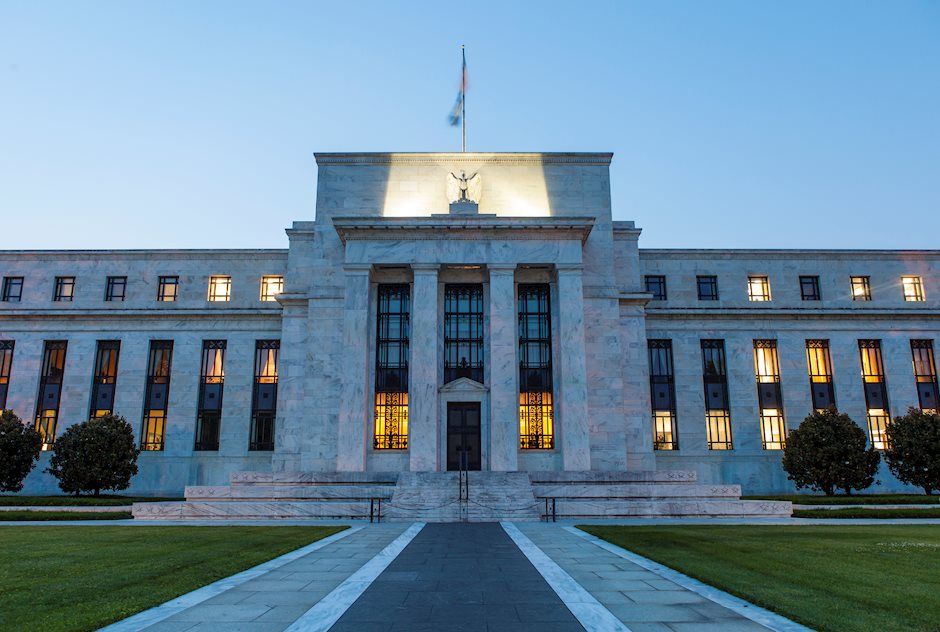

The markets have been displaying volatility as we make our way through September and towards the FOMC at the end of the month. However, there is something strange going on and things look out of whack.
The status quo is shifting and it is centred around markets waking up to the fact that Central Banks are running out of ammunition. At the same time, there has been terrible economic data for August out of the U.S. that confirms that they have the weakest economy in around six years. Such results come after Janet Yellen's 'Jackson Hole' statement when she said that "the case for a rate hike has strengthened". Well, that case has just weakened considerably and the more promising data previously is now looking like one off events in a declining U.S. economy.
Are the Fed really data dependent?

Source: Free Images
The Fed have been very explicit that they are data dependent, but if that is the case, then why would they even contemplate hiking rates? It is quite evident now that markets are taking rate hikes off the table for September, but strangely, judging by the recent flight to safety, they are starting to wonder whether the Fed really is data dependent due to several officials that have continued to talk about the possibility of rate hikes, despite all the bad data. Will rates be going up regardless? The markets seem to think so judging by recent action.
So, while we can't rule out the possibility of a Fed hike, the market has been acting as if the Fed were going to raise rates even if the data is bad. When looking around elsewhere, such as at ECB's Draghi who didn't have any answers last week when questioned about ending QE in the first quarter of 2017, coupled with the BoJ's predicament, all of this is scaring the markets. There have been big sell-offs around the world with U.S. yields that were moving to the highest they have been in around three months, pressuring the U.S. housing markets with home builders taking a big hit.
Fed officials fail to acknowledge terrible data
-636092992475624114.jpg&w=1536&q=95)
Source: Free Images
Even after the poor manufacturing, weak August jobs and the service sector report, Boston's Fed Eric Rosengren said in his talk last week, "A reasonable case can be made for tightening interest rates to avoid overheating the economy". If there is too much inflation, if that is what he means by overheating, then rate hikes, when the economy is this weak, are not exactly the best fix, especially for financials and Wall Street certainly knows it judging by the big sell-off last week. This is exactly another reason why the Fed would not be able to continue hiking rates. The economy is just too weak for tighter monetary conditions. In fact, the Fed would need to cut rates again when the markets tank, or at least stop hiking. So, if the Fed do hike, say in December and after the elections, will we have a repeat of last year all over again? I should think so.
The big bluff
-636092992616247758.jpg&w=1536&q=95)
Source: Free Images
Fed's John Williams, even after the awful data and the worst in six years, said that the US economy is in good shape and heading in the right direction, and that every meeting is live and a rate hike could come in September or December. But, if the Fed are data dependent, then why didn't he refer to the bad data of late? This is all just political and about getting Clinton in at the end of the year. The bubble needs to keep growing until she is in and this is the Fed's agenda at the moment, to keep the economy artificially propped up and Obama looking good in this era of Central Banks monetary socialism, AKA, 'The big bluff'.
Author
Ross J Burland
FXStreet
Ross J Burland, born in England, UK, is a sportsman at heart. He played Rugby and Judo for his county, Kent and the South East of England Rugby team.