Fed and BoJ disappoints in July meet
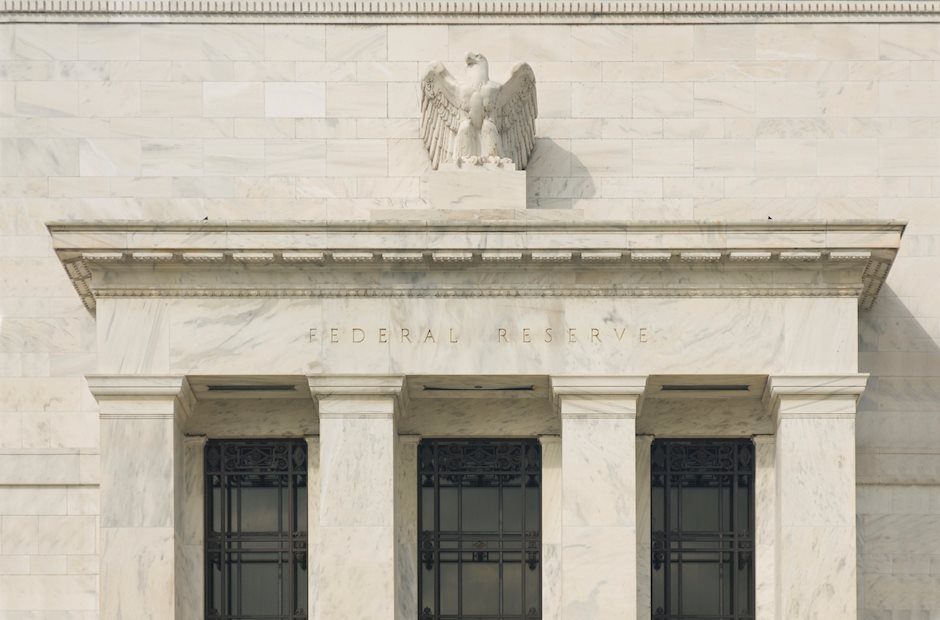

In line with expectation, the Fed kept policy rates unchanged but hinted that the central bank could consider raising rates this year depending on the economic data that will be released. The dollar against its major crosses came under pressure and was further weighed down after the advance GDP number released from the US showed slower growth in Q2 compared to previous number. Fed funds rate futures are pricing in only around 30 percent chance of a rate hike by December, compared to about 50 percent early last week. Apart from Fed, BoJ was also keenly awaited wherein the central bank increased its quantum on buying ETFs to 6 trillion Yen from 3 trillion yen. After the surprise Brexit vote central banks across the globe are looking to find a way to stimulate their economy and also take steps to improve the employment scenario.
Yen volatility his post-crisis on BoJ meeting
Before announcement of the BoJ meeting on Friday, the yen’s overnight implied volatility has surged to its highest since the depths of the financial crisis in 2008.

EURUSD
The EUR/USD jumped sharply higher in the last week led by weaker US dollar. The pair gained by 1.76% in the last week and overall gained by 0.59% for the July month before closing at 1.1170 levels. Last week German business morale fell only slightly in July to 108.3 against 108.7 in June, a benchmark survey showed, suggesting Europe's largest economy has weathered the immediate storm from Britain's vote to leave the European Union. Throughout the week, euro remained stronger against US dollar as FOMC decided to keep rates unchanged at its July meeting, but stressed three times that hiring conditions had improved, and noted that the economy had "been expanding at a moderate rate". Data released last Friday suggests that GDP in the 19 countries sharing the euro rose 0.3% Q-o-Q in the April-June period, halving from the 0.6% growth in the first quarter of the year. First estimates on euro zone inflation released on Friday by Eurostat showed a slight rise to 0.2% in July from 0.1% the previous month, but still far away from the ECB target of a rate close to 2%, while core inflation remained stable. Apart from economic numbers activity in bond market suggests that, European investors have slashed their holdings of euro zone bonds to their lowest in at least five years and are shifting into emerging market debt in search of higher yields. In this week, key focus will be on today’s manufacturing PMI from Euro area and Wednesday’s services PMI.

Technical view for EURUSD
The EURUSD pair gained higher for most of the days in the last week. After taking support near 1.0990 in last Monday, pair jumped above 1.11150 on Friday. Technically, the pair is expected to find resistance near 1.1230-1.1250 band, coincides with falling trendline and 50% Fibonacci retracement of the previous down move from 1.1615 to 1.0909. Hence, it is advisable to create short near 1.1230-1.1250 for lower targets of 1.1060-1.1030 levels.
GBPUSD
The GBPUSD pair saw a small gain in the last week by 0.90% and for the Jul month it fell by 0.60% after having shaky moves in the June month. Data released on Wednesday suggests that UK GDP growth unexpectedly picked up speed in the second quarter of 2016. Growth in the three months to June was 0.6%, up from 0.4% in the first quarter. BoE refrained from cutting rates in July, market participants have increased their rate cut expectation for August month. On last Friday, Sterling gained more than 1% to trade above $1.33 for the first time in eleven days, as the greenback dropped sharply across the board after U.S. economic growth data came in much weaker than expected. The latest figures showing British consumer morale suffered its sharpest drop for more than 26 years in July - had little impact on the currency on last Friday. The pound is likely to remain under pressure as Bank of England (BoE) starts a two-day policy meeting on Wednesday and is expected to cut interest rates for the first time since 2009. Over the coming week, there are likely to be new signs of weakness in British manufacturing, construction and services in reports due out between Monday and Wednesday.

Technical view for GBPUSD
After taking support near 1.3050, the GBPUSD pair jumped higher above 1.33 on Friday before closing the week at 1.3226 levels. The pound can be seen directionless after having parabolic moves in the June month. Technically, the pair is still trading in sideways zone of 1.3050-1.13370. Further resistance can be seen at 1.3550 levels. In this week, any uptick towards 1.33 would be selling opportunity to go short for target of 1.3050-1.2900 levels.
USDJPY
The Japanese yen closed the week just below the 102 levels, gaining more than 300 pips in a single day after announcement of steady stance by BoJ on their July month monetary policy. The size of the stimulus package fell short of expectations, and caused a sharp decline erasing over 75% of the gains from when it was first known that Japan would be introducing a new stimulus program. The easing program saw an increase in purchasing of exchange traded funds to 6.0trn Yen from the prior 3.3trn Yen, while the interest rate and other aspects of the monetary policy were left unchanged. There is a likelihood that the bank will act once again at their next meeting, but the immediate focus could be on the disappointment which suggests further appreciation in Japanese yen. The USDJPY pair is expected to remain under pressure in the current week. The combination of fundamental events from the prior week and second line data in this week could cap the upside for USDJPY.

Technical view for USDJPY
The USDJPY failed to move beyond the strong resistance of 107.50, found the resistance near upper end of the channel and resumed the downtrend. Since February 2016, the pair is moving lower in the falling channel by making lower highs and lower lows. The pair is likely to remain under pressure after Friday’s strong bearish candle. In the coming week, 105 -105.50 could act as a strong resistance and it could move lower towards the next support of 100.20-99.80 levels.
AUDUSD
In the previous week AUDUSD pair fell till 0.7417 levels ahead of the CPI data. However, it rebounded sharply after increase in consumer prices, which came at 0.4%in June quarter. On Friday, dollar weakened after US GDP grew 1.2% (QOQ) which was below the expectations. AUDUSD pair surged 1.31%, the highest single-day gain since the day before the Brexit vote. Market participants will be awaiting for the RBA policy decision; expectation is that the central bank could cut rates by 25bps. The RBA has already indicated that inflation levels are expected to remain low for some time, similar to the view of the Federal Reserve. If rate cut happens this week then it would suggest that the RBA is focused on their exchange rate. And even if the bank does not cut, they could come up with dovish commentary and could focus on their future inflation path for the growth of the economy.

Technical view for AUDUSD
In the previous week AUDUSD moved higher by 1.88% and closed on positive note. On daily chart, the pair is moving higher in the upward sloping channel, forming higher highs and higher lows since June 2016. In the previous week, the pair took support near lower end of the channel and bounced back. In short term, 0.7400 could act as the strong support. As far as this support is holds, bias is positive and it could move higher towards 0.7750-0.7800 levels.
USDCAD
The Canadian dollar erased its losses but gained 120 pointsin the latter half of the session. In the first half of the previous week, loonie came under pressure following decline in WTI crude oil prices. Later, in the second half of the week, FOMC statement triggered broad based weakness in the US dollar erasing losses of the Canadian dollar. On Friday, US and Canadian GDP data disappointed market participants and the weak number weighed on the Canadian dollar. The Canadian economy is in trouble which is evitable from weak GDP number which showed that the economy contracted 0.6% compared to growth of 0.1% in the previous month. In the coming week, we expect down move to continue in the first half of the week, later, market participants will keep an eye on Canada’s employment data which is expecting to be turnaround with an estimate of 10.2k and the unemployment rate is expected to edge higher, from 6.8% to 6.9%.

Technical view for USDCAD
The USDCAD pair failed to move above the strong resistance of 1.3200 and closed on negative note. The pair did not able to sustain above the symmetrical triangle and re-entered in the pattern. Re-entering in the pattern suggests a false breakout and post false breakout the pair has tendency to move sharply in the opposite direction. Thus, 1.3200 could act as a strong resistance, as long as the pair sustain below this level bias is negative and it could move lower towards 1.2800 levels.
Author
Abhishek Goenka
IFA Global
Mr. Abhishek Goenka is the Founder and CEO of IFA Global. He pilots the IFA Global strategic direction with a focus on relentlessly improving the existing offerings while constantly searching for the next generation of business excellence.