Condominiums and Some Interesting Options
|I started my real estate investing career by buying a condo that I lived in for two years and then converted it to a rental unit. I’m not the only one to have started this way. I was lucky and had some great mentors. They made sure I asked the right questions so I could rent the unit in the future. If you are considering going down that path (which has many benefits) it’s important you do your due diligence.
One of the first things to consider are the CC & Rs. These are the rules that govern the units within a homeowners association. The main things to look for are:
How does the HOA (Homeowners Association) handle special assessments? For example: if there were an issue with the pool in the common area would there be enough reserves to fix it or would a special assessment be imposed?
How much flexibility do you have to remodel your own unit? Example: some HOAs require you use a specific padding under hardwood.
Are you allowed to rent your unit? For example: some HOAs limit the number of units that can be rentals at any one time.
I had a very interesting question come in about condos and thought this would be a great place to address it.
Question: I own a studio (flat) condo and the unit immediately next to me (which is a large one bedroom) has just come on the market. I was curious if I could purchase that unit and combine the two? The two bedroom units in my building have a much higher resale value.
Interesting question. First and foremost, we go back to the CC & Rs, the association and their rules. Before you do anything, you need to check with them. The likelihood is that this issue would be taken to the board. If that’s the case, I would suggest that you have a well-developed plan with a couple of different options.
Considerations:
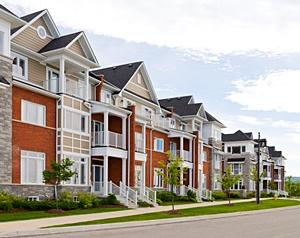
Will you “legally” merge the two units into one? Meaning, the deed, mortgages, real estate taxes, association dues, utilities, you get the idea. This would require a great deal of work, money and time, and to what end? Leaving the units separate legally leaves more options open to you down the road.
If you are going to merge the two physically, it will take at a minimum the following:
Plans to be drawn
Approval from the planning department
Approval from the Homeowners Association
Hiring of a Licensed Contractor
Revision of insurance
You may also be responsible for having the Plats and Plans re-drafted of the whole building/complex so the changes are reflected properly.
Changing the boundaries of condominium units is not impossible, however, there are a number of architectural and legal steps which must be taken. Personally, this sounds like a lot of risk and work with very little reward.
My suggestion would be to buy the larger unit, move in, and rent out the smaller unit.
Information on these pages contains forward-looking statements that involve risks and uncertainties. Markets and instruments profiled on this page are for informational purposes only and should not in any way come across as a recommendation to buy or sell in these assets. You should do your own thorough research before making any investment decisions. FXStreet does not in any way guarantee that this information is free from mistakes, errors, or material misstatements. It also does not guarantee that this information is of a timely nature. Investing in Open Markets involves a great deal of risk, including the loss of all or a portion of your investment, as well as emotional distress. All risks, losses and costs associated with investing, including total loss of principal, are your responsibility. The views and opinions expressed in this article are those of the authors and do not necessarily reflect the official policy or position of FXStreet nor its advertisers.